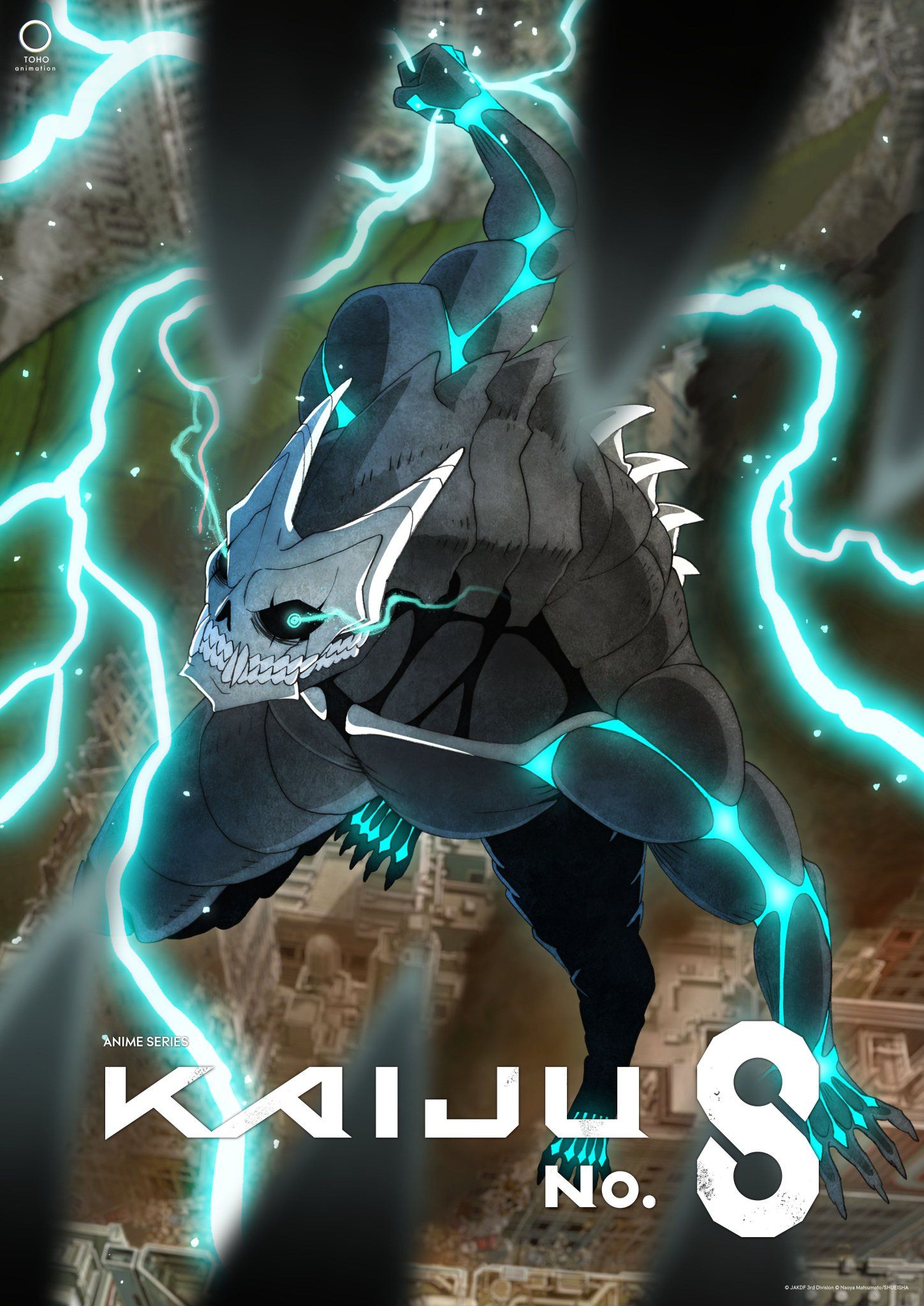
Kaiju No. 8
Summary
The manga seriesKaiju No . 8 , penned by Naoya Matsumoto and stemming from the renowned Shueisha’sShonen Jump+publication , saw its Zanzibar copal adaptation debut in April 2024 . Amidst a bustle of new Zanzibar copal releases so far this year , Kaiju No . 8by Production I.G has emerge as a standout , thanks to the manga ’s give popularity andits fresh take on the booster . Notably , the first instalment ofKaiju No . 8diverged from the typical flight ofShonen Jumptitles , setting it apart right from the start .
WhilepopularShonen JumpanimelikeOne Piece , My Hero Academia , andJujutsu Kaisenoften center around adolescent protagonists striving towards their dreams , a hallmark of the genre , Kaiju No . 8took a different approach . It diverged from established figure , charting its own course of action distinct from the foundation it had already laid .
Kaiju No . 8boldly breaks the classical figure of the Shonen genre by inaugurate Kafka Hibino , a man in his 30s tasked with clean up fiend remnants . Departing from the core theme of young person traditionally associated with the musical genre , Kaiju No . 8takes a unique tale path with Kafka , signaling a deflection from expected value . However , as the story advance , it became more and more apparent thatKaiju No . 8may not pitch on its initial promises , leading to its perceived downfall .
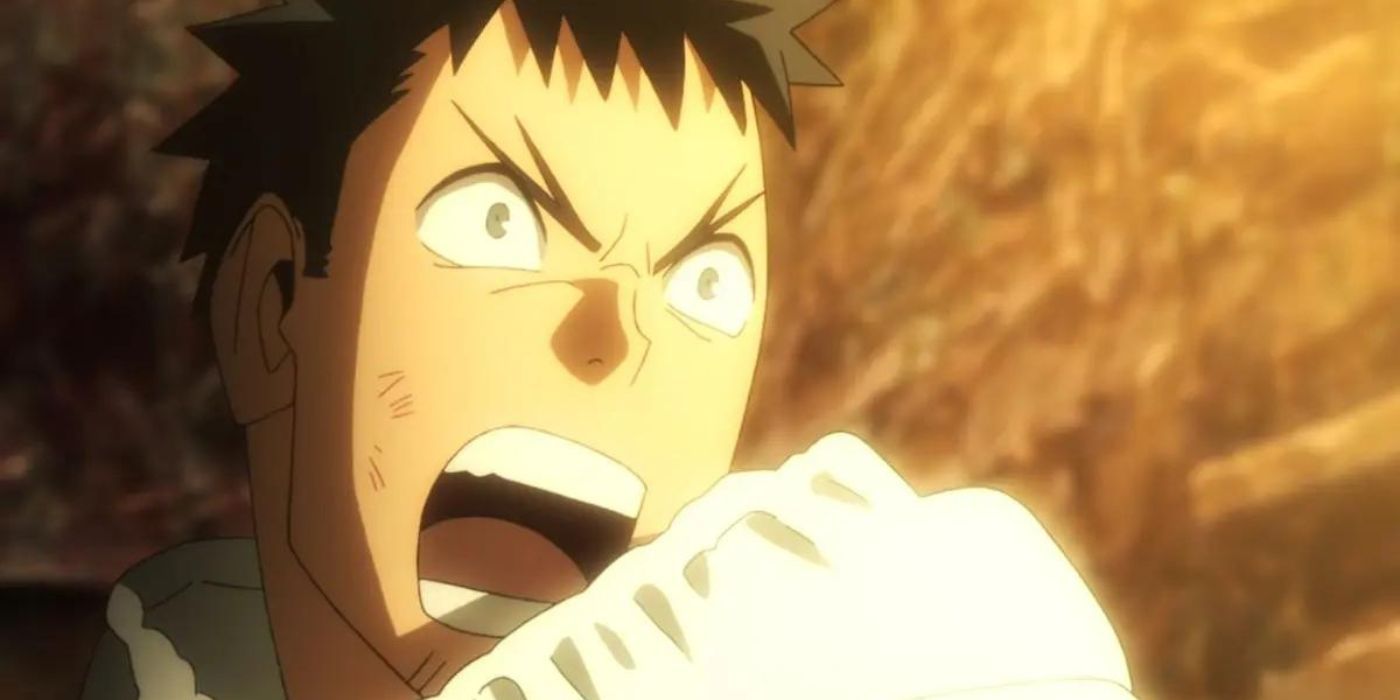
Starting As an Atypical Shōnen Protagonist, Kafka Hibino Has Become What Fans Feared
Kafka’s distinctiveness among Shonen Jump protagonists faded over time, blending into familiar tropes
The classic trope of the Shonen genre typically featuresa unseasoned protagonist driven by a dreamrooted in an event from their other years . These characters often evolve unique powers that propel them towards their goals , forging friendships and rivalries along the means , culminate in a final battle . However , Kafka Hibino ’s tale inKaiju No . 8diverges importantly from this normal , set it asunder from most other Shonen Jump Zanzibar copal .
Kafka ’s intake to combat monsters stem from a comedic mischance , wherehis desire for revenge sparked simply because they destroyed his secret plan . This contrasts crisply with the fatal events that force back otherShonen Jumpprotagonists , such as Monkey D. Luffy fromOne Piece , who pursues his dream after a tragic encounter with stem , orIzuku Midoriya fromMy Hero Academia , who is exalt by his idol , All Might , to protect others . While Kafka ’s improper motivation already sets him apart from distinctive Shonen protagonists , his loser to achieve his dream during his teenage yearsfurther distinguishes his journey from theirs .
Kafka ’s unique strong-arm attributes , including his fat belly and facial tomentum , further spot him from distinctive Shonen genre champion . With these improper traits , Naoya Matsumoto seemed poise to redefine the foundations of the Shonen genre . However , as the narrative unfold , Kafka ’s journeying began to adhere intimately to the traditional Shonen trope , with the main difference only being the champion ’s old age . Kafka acquired unbelievable force that set off his journeying in a typical Shonen style , drift out from what might have made this tale even more different than any other Shonen manga or Zanzibar copal would have dare to convey .
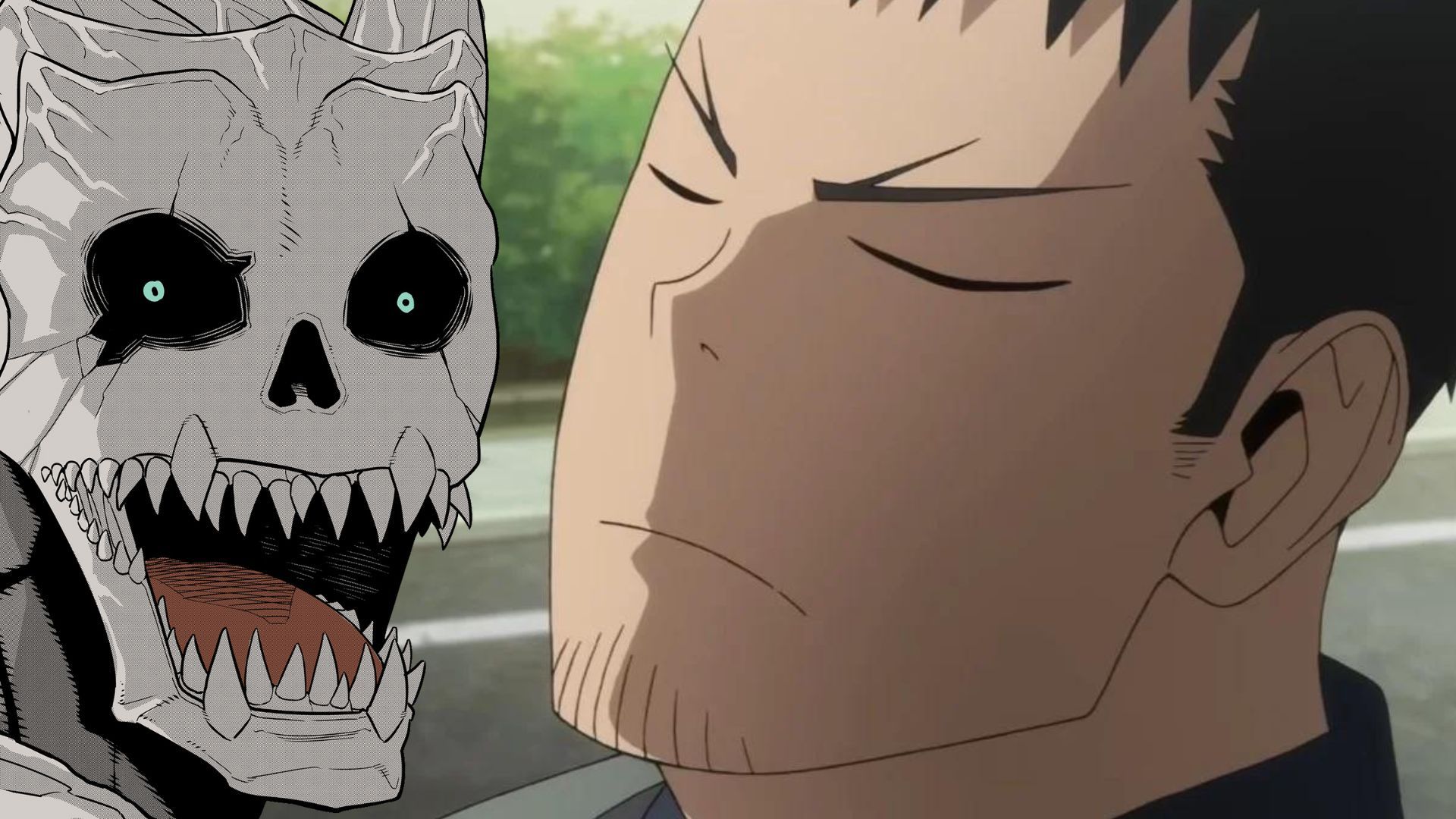
Kafka’s Unique Traits Would Have Made Kaiju No.8 an Even Bigger Hit
Naoya Matsumoto wasted his protagonist’s unique trait
Naoya Matsumoto missed the opportunity to foreground Kafka ’s distinct traits , rather falling into the classic Shonen trope .
Inthe first instalment ofKaiju No . 8 , the protagonist embarks on an unconventional journeying , drift from the distinctive Shonen mold . Kafka ’s repeat failure in the Defense Corps entrance exam paint him as inept , precede him to abandon his ambition . As the gum anime unfolds , it becomes clean that Kafka ’s pursual of his dreaming seems improbable , hand his legion reverse and his age . If Naoya Matsumoto had portrayed Kafka ’s unparalleled characteristics through his first job , cleaning up after epic battle between the elite defense force and monsters , the narrative would have retained its distinctiveness within the genre .
However , as manga readers are already aware of , Naoya Matsumoto missed the opportunity to highlight Kafka ’s distinct trait , instead falling into the Graeco-Roman Shonen figure of speech where Kafka swiftly transitions into the Shonen system to train , forge friendships , and grow stronger upon reach his top executive . Despite his unparalleled age , Kafka ’s narrative for the most part skirt this prospect except for casual humourous nod . Throughout the series , instances arise where Kafka ’s age could have provide an vantage or showcased his intelligence , yet he often come after the archetype of a distinctive Shonen protagonist , starting from square one in ascertain novel concepts .

Kafka Hibino, a disillusioned Kaiju corpse cleanup worker, dreams of joining the Defense Force that protects Japan from monstrous Kaiju attacks. His life takes a surreal turn when he becomes infected by a Kaiju parasite, granting him the power to transform into a Kaiju himself. Known as Kaiju No. 8, Kafka must navigate the dual life of a monster and a protector, facing enemies both human and Kaiju.
Ultimately , Naoya Matsumoto’sKaiju No . 8fails to distinguish itself beyond boast a protagonist in his thirty , whose matureness is overshadowed by a personality more akin to a teenager . This inadvertence leadsKaiju No . 8to ruin what made it special in the Shonen genre , despite its initial potential for founding .
Kafka Hibino , a disillusioned Kaiju corpse cleanup worker , dreaming of joining the Defense Force that protect Japan from atrocious Kaiju attacks . His living strike a surreal turn when he becomes infected by a Kaiju parasite , granting him the magnate to transmute into a Kaiju himself . lie with as Kaiju No . 8 , Kafka must navigate the duple living of a goliath and a protector , facing enemies both human and Kaiju .