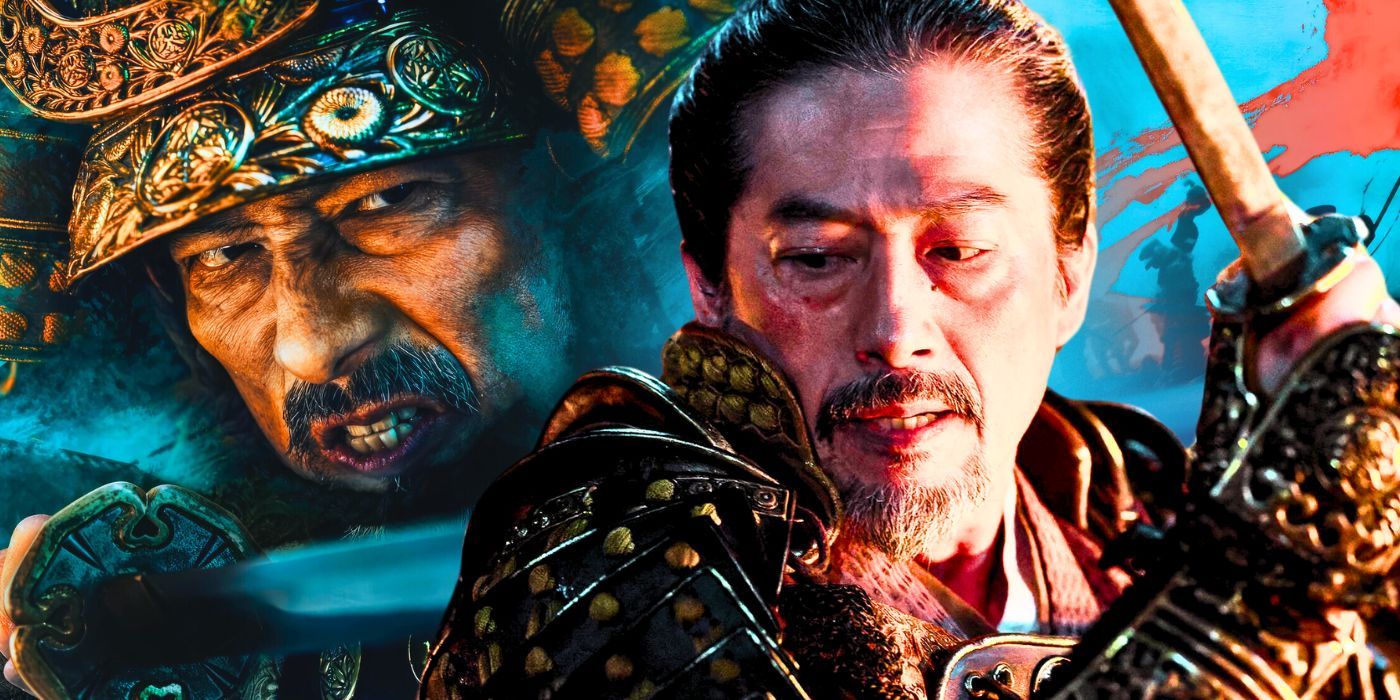
Shogun
Summary
FX’sShogunhas won consistent critical extolment for its authentic evocation of seventeenth - 100 Japanese finish , furnish a barren contrast with a 21 - class - sometime Tom Cruise megahit . Based on the novel by James Clavell , Shogunblends fact and fiction in tellingthe fib of John Blackthorne – an English pilot who receive himself shipwrecked on the shores of Japan before the land was in regular liaison with most of Europe . Although the story is noteworthy – not least because of its real - living origin – it ’s succeeder highlight problems with other internal representation of Japanese culture , including in Cruise ’s movie .
Shogun ’s success is grounded in its world - building . The tedious - burn mark drama pays conscientious attention to detail , recreating many of the most intimate aspects of Japanese life in the early modern flow . According to the critical consensus onRotten Tomatoes , the show is " visually sumptuous and enriched with cultural verisimilitude " , highlighting its commitment to truth . Beyond this , however , Shogun ’s narrative structure sets it apart from previous stories set in the full stop – play up where other productions have fallen unretentive in the cognitive operation .
Shogun Takes A Different Approach From The Last Samurai
While many projects bring home the bacon an interesting equivalence toShogun , not least of which is thenovel ’s earlier 1980 miniseries adjustment , one of the most prominent is with Tom Cruise ’s 2003 feature film picture show , The Last Samurai . WhileShogunandThe Last Samurai ’s Japanese setting provide a clear connection , other aspects of the two stories also make them very standardised . For case , both postulate a man unfamiliar with Nipponese culture steep himself in a new way of life of life , receive alien customs for the first time and learning to prise and appreciate his surroundings .
There are also similarities between the two stories ' contexts . InShogun , the bigger picture touch on a power conflict at the top of the Japanese government between the on the face of it righteous Toronaga and the scheming Ishido . similarly , The Last Samuraistars Ken Watanabe as a renegade warlord , fighting against the cardinal leadership of the res publica and pestilent forcefulness who have unwarranted influence over the emperor moth . Just as inShogun , Tom Cruise’sLast Samuraicharacter finds himself beguiled by the charismatic foreigner and compelled to fight for his cause .
InShogun , while John Blackthorne is an of import role , he is not the centerfield of the narrative .
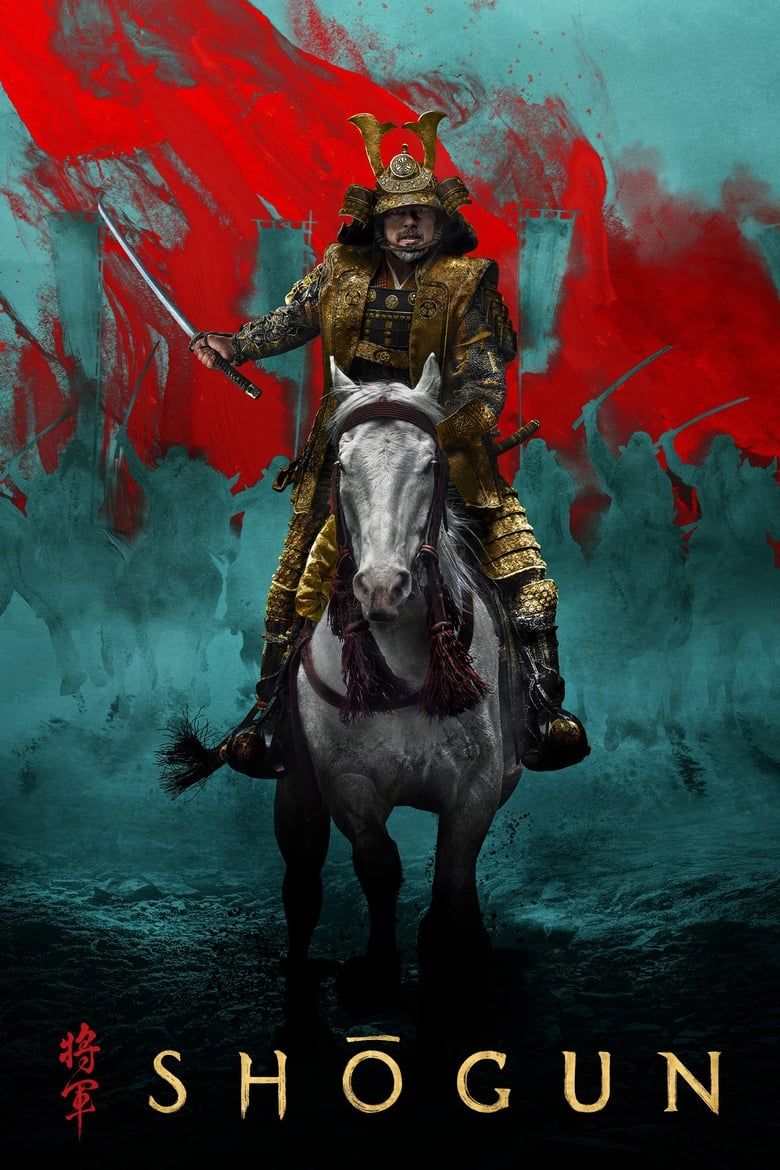
These parallel indicate a clear crossover between the two project . However , while there is an undeniable link , they also have very different approaches to their account . InShogun , while John Blackthorne is an authoritative character , he is not the center of the narrative . Beyond his journey of discovery , the show is really aboutToronaga ’s political ambitionsand his upgrade to tycoon , as well as the Machiavellian interactions he has with those around him . By direct contrast , The Last Samuraiis almost entirely told from Nathan Algren ’s ( Cruise ) perspective . This provides the biggest distinction between the undertaking and is the prominent trouble with Cruise ’s picture .
Why The Last Samurai’s Story Is Problematic
By many metric function , The Last Samuraiwas a major success . Made on a budget of $ 140 million , the picture show made $ 456.8 million at the global box berth . It was also generally well - review , securing 66 % electropositive reactions from critics(viaRotten Tomatoes ) and gain four Academy Award nominating speech . However , while the movie ’s impressive visuals , conflict sequences , and execution were widely praise , other aspects of the movie fare in for unfavorable judgment .
Shogunis available to rain cats and dogs on Hulu
A key concern for many critics was that telling the movie from Algren ’s linear perspective resulted in a romanticized view of both the actual history that inspired the story and the culture it wish to portray . Many critic evoke thatthe movie perpetuated the so - called " livid saviour " tropethat has historically been a feature of Hollywood , while others highlighted the relative aphonia of many important Japanese protagonists . In a review forVariety , Todd McCarthy neatly summed up the problem , name it " far too rule by Tom Cruise " before adding :
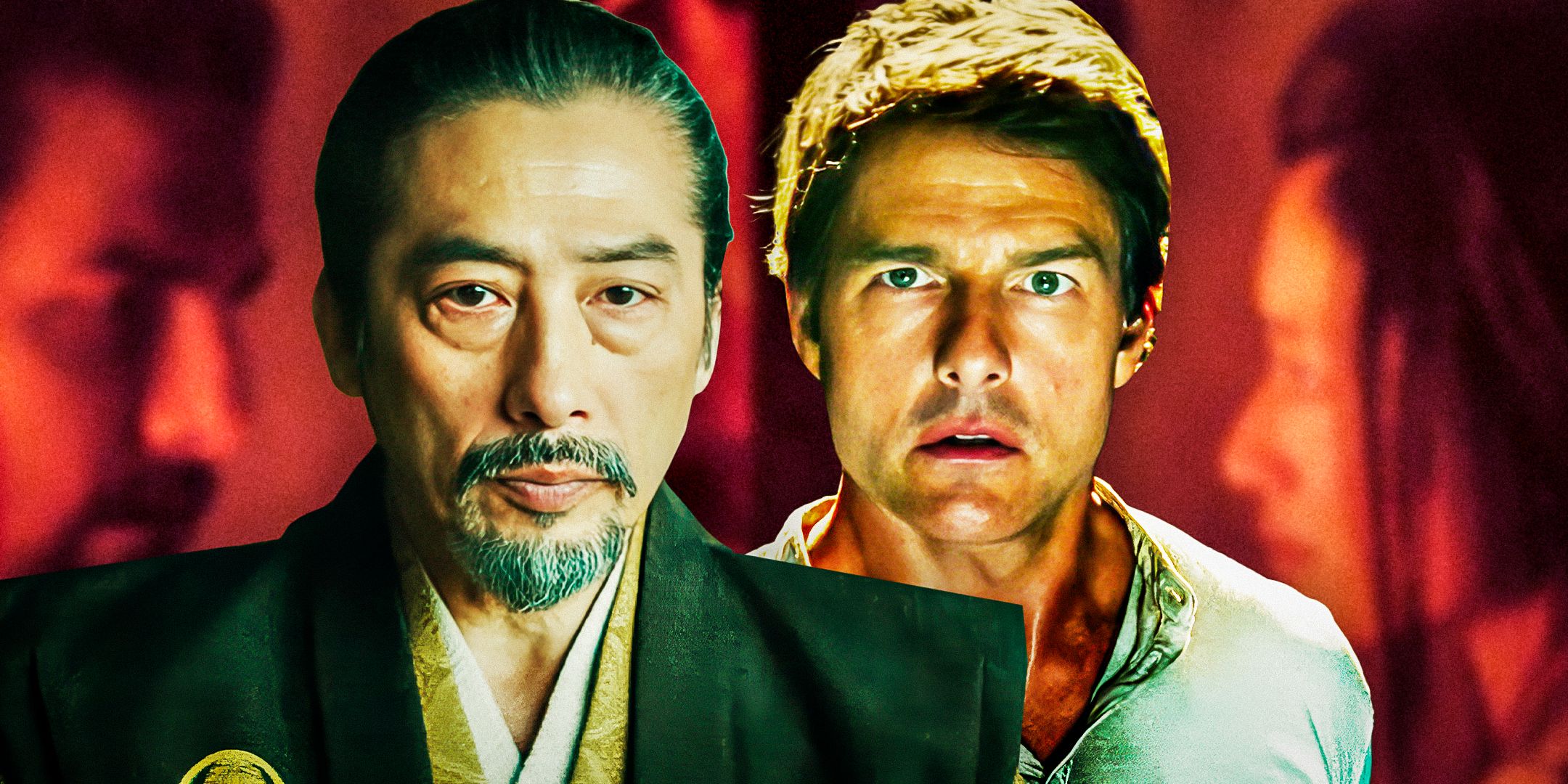
Custom image by Yailin Chacon
understandably enamored of the finish it examines while decisively remaining an outsider ’s sentimentalisation of it , thread is disappointingly contented to reuse intimate attitudes about the nobility of ancient cultures , Western despoilment of them , liberal historical guilt , the unrestrainable greed of capitalist and the irreducible primacy of Hollywood picture adept .
The Last Samurai ’s loge office performance and comparative critical success high spot that it was far from an outright failure . However , whereShoguncenters the floor firmly on Nipponese character reference , with much of the dramatic action unfolding in the Nipponese language with no Europeans present , The Last Samuraitells almost everything through the crystalline lens of Algren ’s experience . The result is a level that is inevitably diluted , less believable , and in the end less interesting .
Shogun Fixes The Last Samurai’s Perspective
Shogun ’s decision to place Japanese characters at the heart of the story is central to the show ’s success . Not only is most of the show in Japanese , an approach that deliberately and effectively blackball Blackthorne through his inability to sympathize the language , but it also helps emphasise the point that European influence is a small factor in the broader political plot that ’s unfold . or else of being the protagonist driving the story forward , Blackthorne and the Portuguese are just pawn to be manoeuvered by Toranaga and Ishido . This make water for a much more accurate histrionics of the true news report .
By telling the story primarily from the Japanese perspective , Shogunlays plain how everyone can have contradictory and conflicting motivations .
In emphasize Toranaga and his familiar as the true protagonists , Shogunalso helps make them more well - round off lineament . InThe Last Samurai , there ’s a sense thatcharacters like Katsumoto and Ujio are just carry through archetypes , with little shade to their personality . By tell apart the story primarily from the Nipponese perspective , Shogunlays plain how everyone can have contradictory and conflicting motive – making its main players more sympathetic and relatable . More than simply correct a historical Hollywood wrongfulness , Shogun ’s perspective change has tangible benefits for the story .
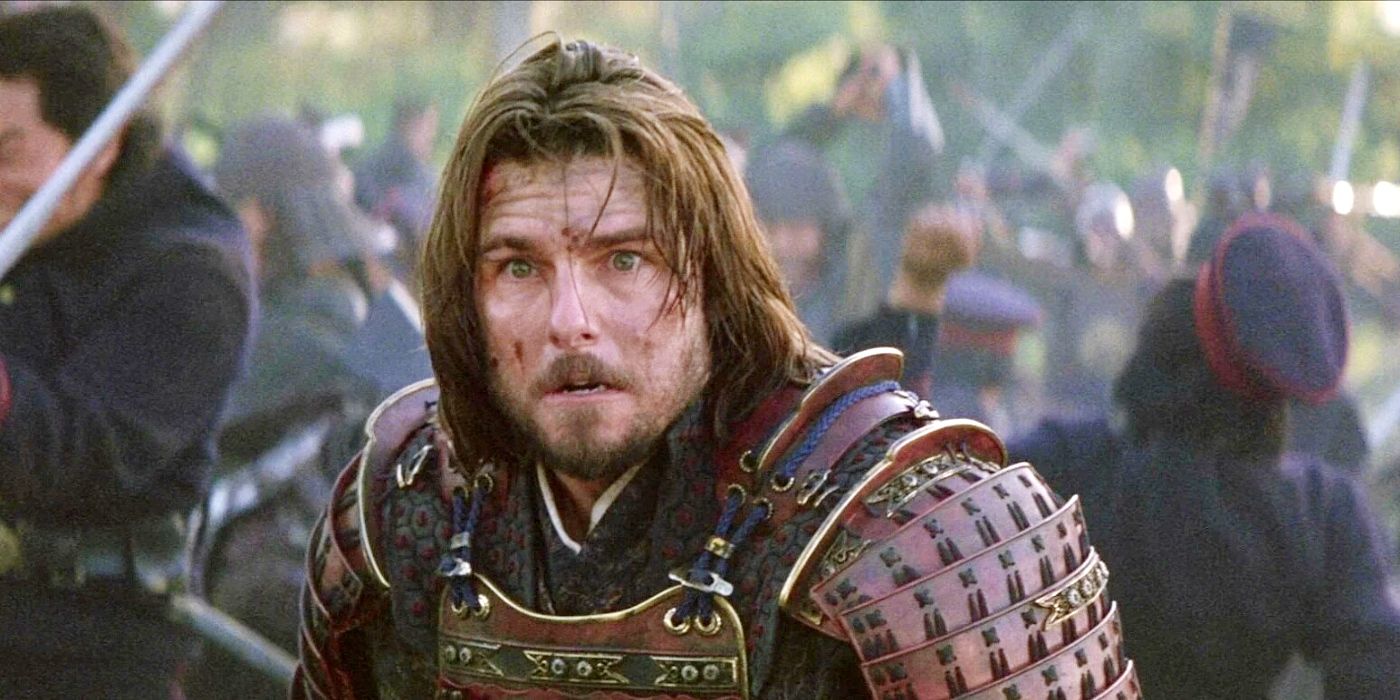
Image by Debanjana Chowdhury
Shōgun season 1 ’s finish demoralise anticipation in the best path , revealing Lord Toranaga ’s true goal and setting up a continuation of his news report .
Why Shogun Is Better Than The Last Samurai
In many ways , ShogunandThe Last Samuraiare a great way of demo how the desire for progress in amusement and storytelling can yield electropositive solvent . Like the FX show , The Last Samuraitakes a fascinating true story from Japanese historyand fictionalizes key elements to form a compelling and pursue narrative . However , because much of the moving-picture show is overly romanticize and say from an foreigner ’s position , it ends up feel much less credible . While neither product is a documentary film , the ruse is much more obvious inThe Last Samuraibecause of its perspective .
The Last Samuraiis available to rent on Apple TV+
InShogun , Japanese culture is not presented as a curio to be ogle at . Instead , it is only typify as the fashion the world is – instead , it is Blackthorne who is unusual , uncivilized , and at betting odds with the rhythms and rite of aliveness . In observing culture from a purely Westernized view , moving-picture show and TV appearance are far less able-bodied to represent them accurately – rather , obsess over what makes them unlike or strange . WithShogun ’s subject - of - fact representation of life in Japan , the whole show becomes instantly more immersive – and the drama more bear on as a result .
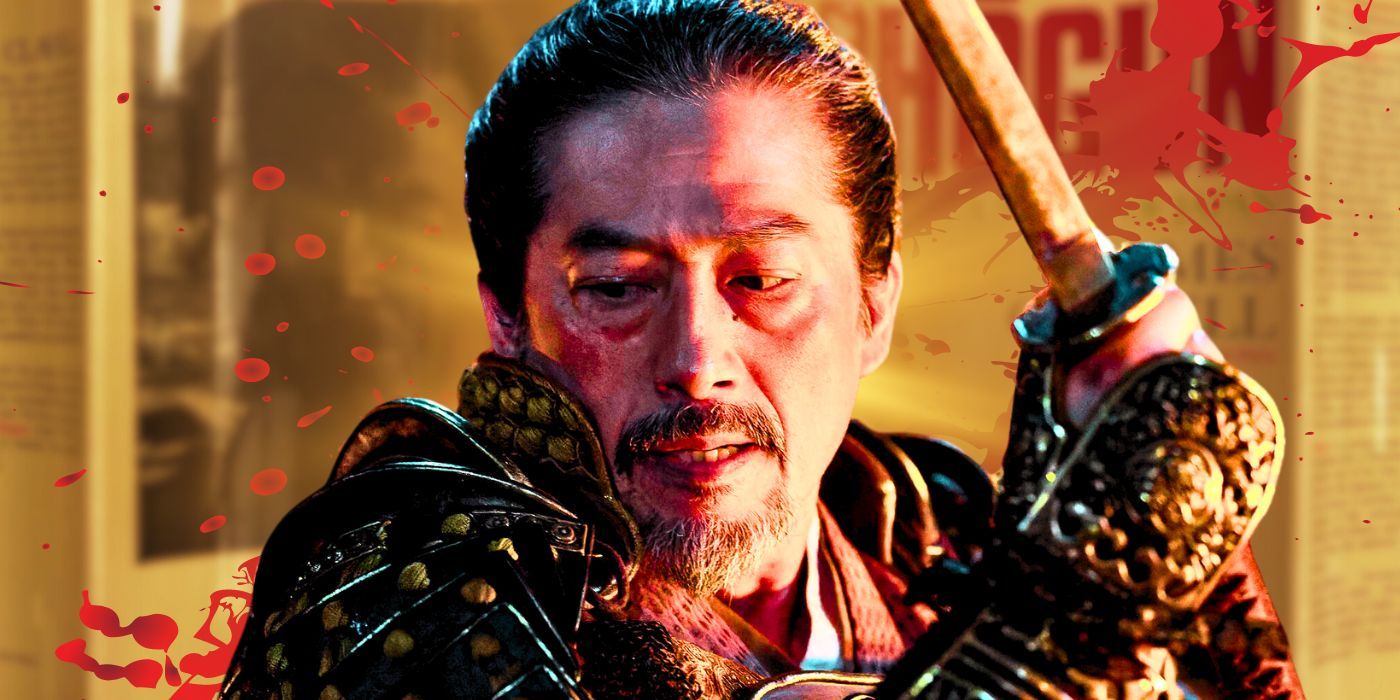
Image by Debanjana Chowdhury
rootage : Rotten Tomatoes , Variety
Your Rating
Your scuttlebutt has not been saved
Cast