Nosferatu
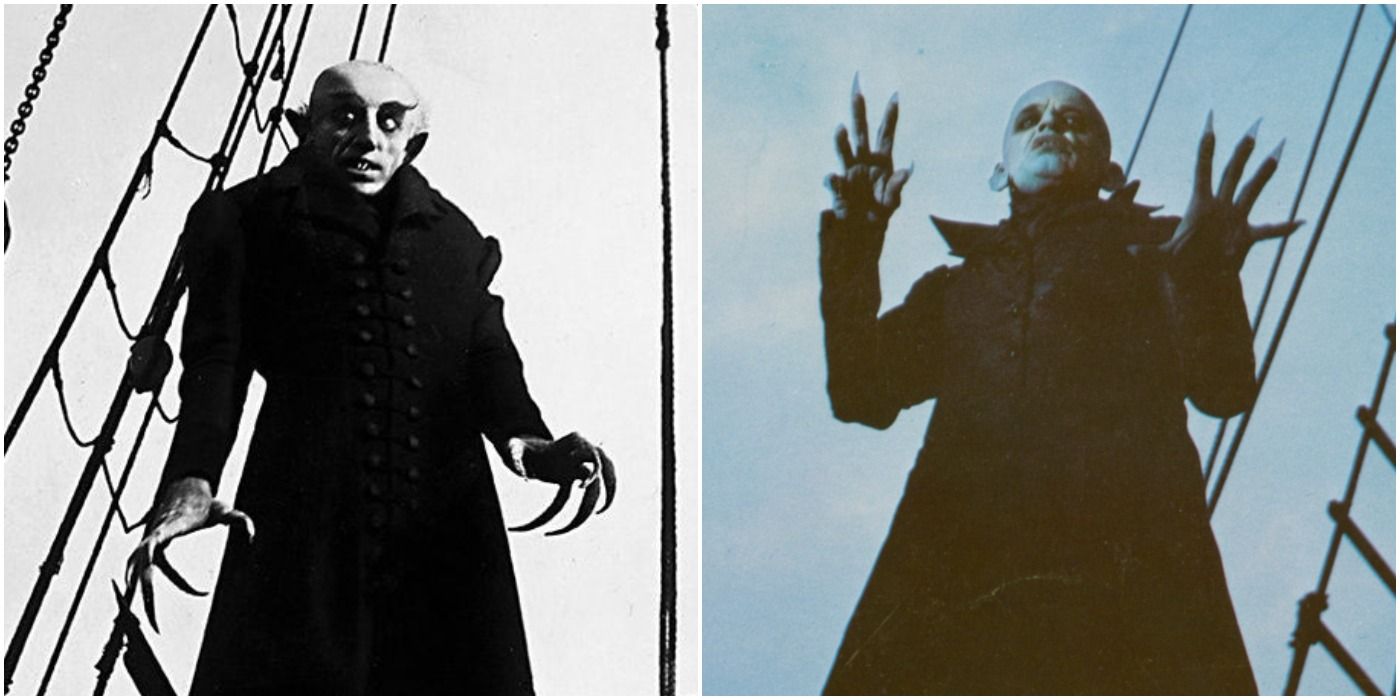
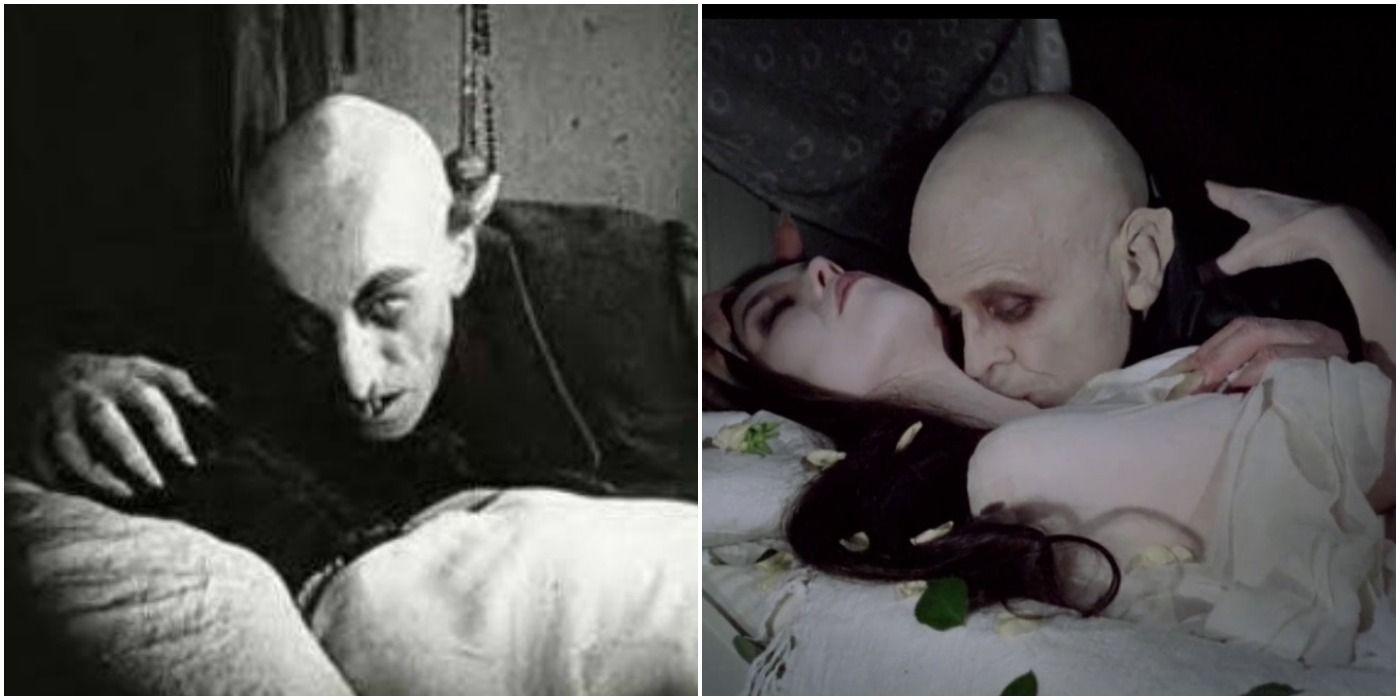
Filmmaker Werner Herzog ’s promiscuous interpretation of F.W. Murnau ’s silent classic , Nosferatu , was embraced by critics in 1979.Nosferatu the Vampyreincorporated a portion of the iconic imagination from the 1922 film while tote up nuance to narrative . Both versions are based on the Bram Stoker novel , Dracula , but which moving picture is better ?
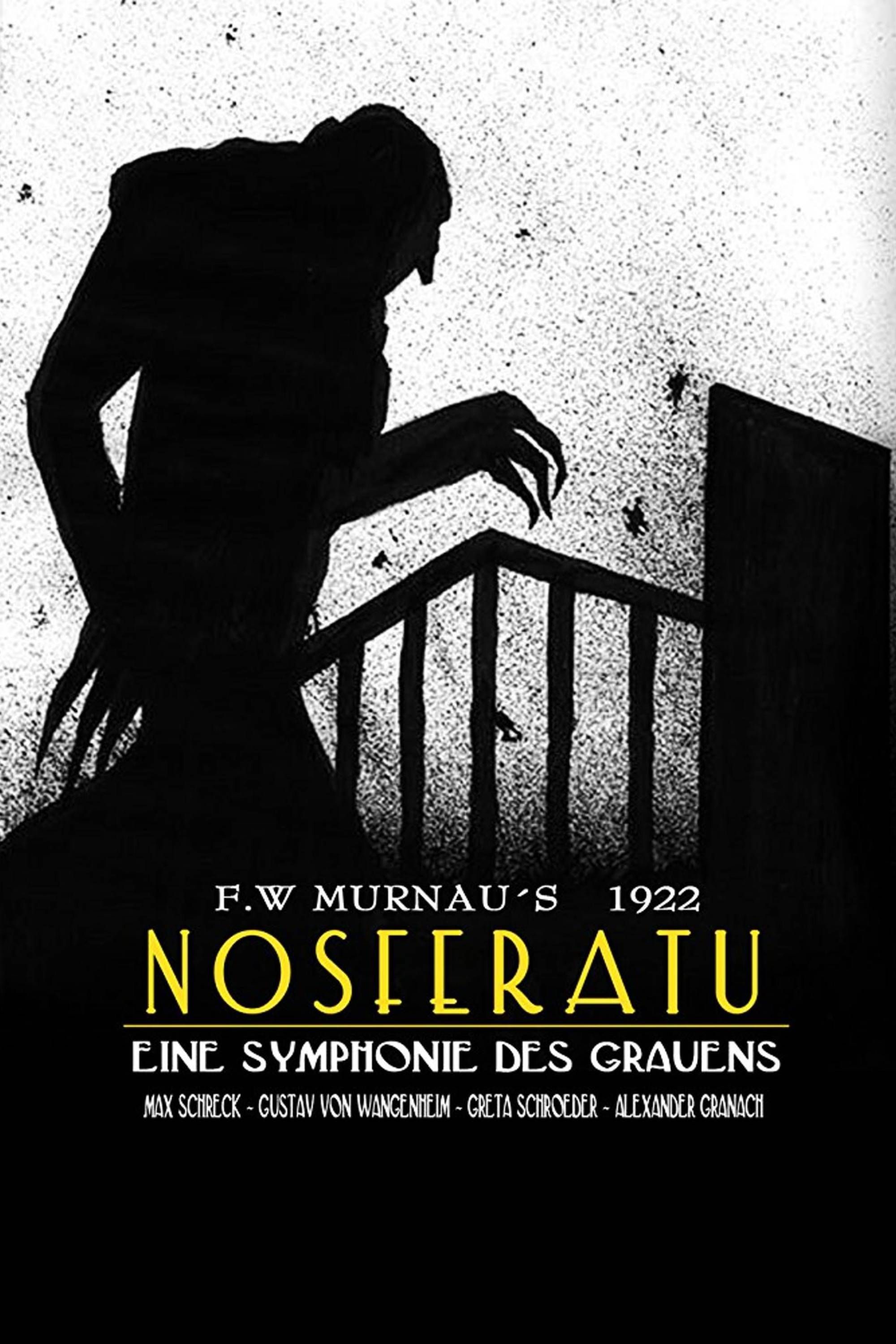
When German film studio , Prana Film , pose out to make an unauthorized version ofBram Stoker’sDracula , it was signify as the first of a serial publication of supernatural - themed productions . Though minor alterations were made to the tarradiddle and part names were change ; it was clearly base on the democratic novel . Nosferatu : A Symphony of Horrorproved to be the studio apartment ’s first and last release . A royal court battle with Stoker ’s heirs not only bankrupted the caller , but a ruling in their favor also secure that all copies of the motion-picture show were destroyed . Fortunately , a fewcopies of the classical mute film were spared , allowing generations of filmgoers the opportunity to see it .
relate : Why Vampire Movies & TV Shows Stopped Being So Popular
When Herzog decided to redo Murnau ’s film , he reinstated the original fictitious character names and combined the most compelling facet of both reading . The movie maker celebrate the cold appearance of the lamia , playact with haunt article of faith by Klaus Kinski , and the construct of a pest sweeping through the city . He also keep many of the haunting mental image shot byNosferatucinematographer F. A. Wagner . While this reimagining of the dumb classic was a optic valentine to the 1922 flick , it possessed none of the instancy or echt suspense of the original . Herzog ’s film attempted to humanise Dracula , framing the plastic film in a more dramatic context , and creating an spotty juxtaposition with the horrific visuals .
Nosferatu ‘79 vs. Nosferatu ‘22: Which Is Better?
Even with the terminal point of film engineering science in the early 1900 ’s , Murnau and his camera operator were able to capture the flavour of Stoker ’s novel with creative ingenuity . Set design and lighting were key in assure the story , as well as framing character in way that helped underline opinion and intention . These expressionist technique would become hallmarks of the theatre director ’s work , most celebrated in his classical 1924 plastic film , The Last Laugh . While Herzog had a sizable budget to work with and the add luxury of sound , his flick never approaches the claustrophobic intensity level of the original . Jorg Schmidt - Reitwein ’s cinematography is mobile and often beautiful , but it remain trapped in the shadow of the terrifying original .
Universal ’s formally authorizedversion ofDraculain 1931 was a more close version of the Stoker novel . base on the successful Broadway version , it stayedtrue to the characterisation of Dracula ( Bela Lugosi)and the basic structure of the event . However , the Tod Browning picture was not the optical cinematic accomplishment that Murnau created , nor the dramatic case piece Herzog presented in his reading ofNosferatu . Overall , the iconic still film remains the most unsettling of the three titles , capturing the nightmarish tone of the novel while incorporating an inescapable sense of premonition .
Next : What A Dracula Movie Could Look Like From A Female Perspective