Gladiator
Summary
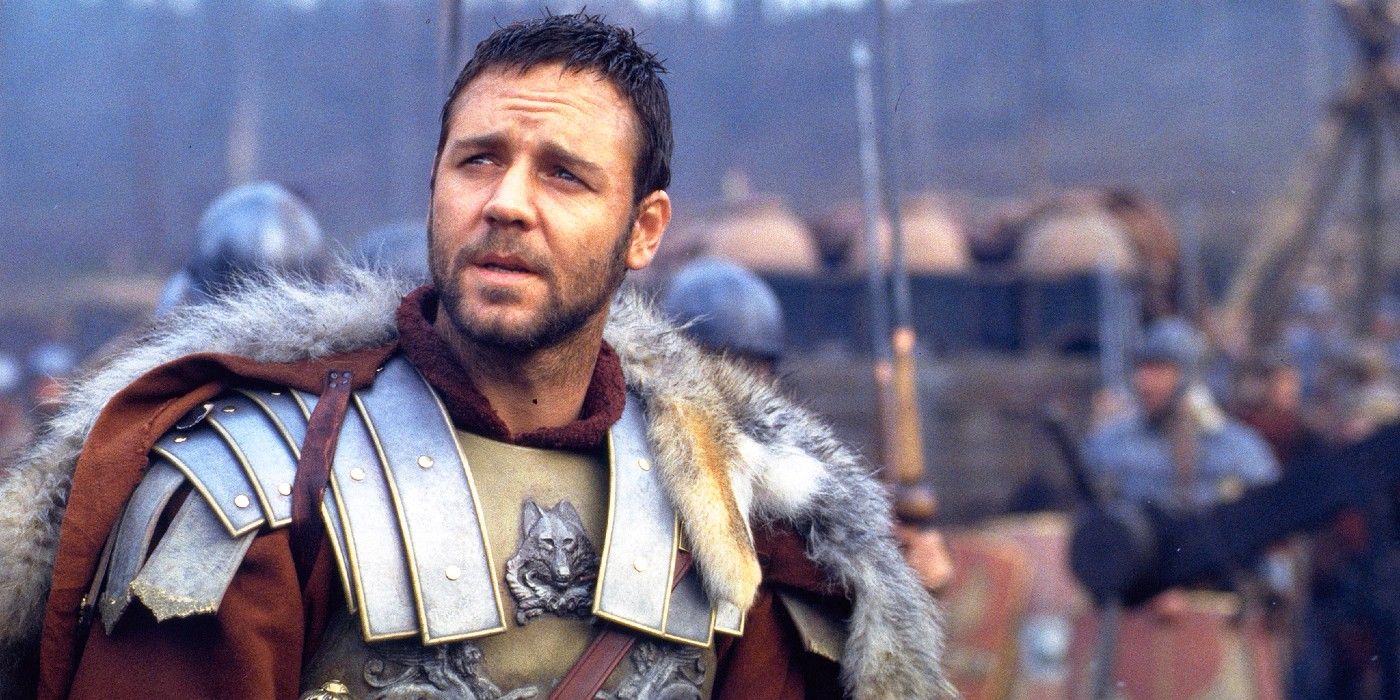
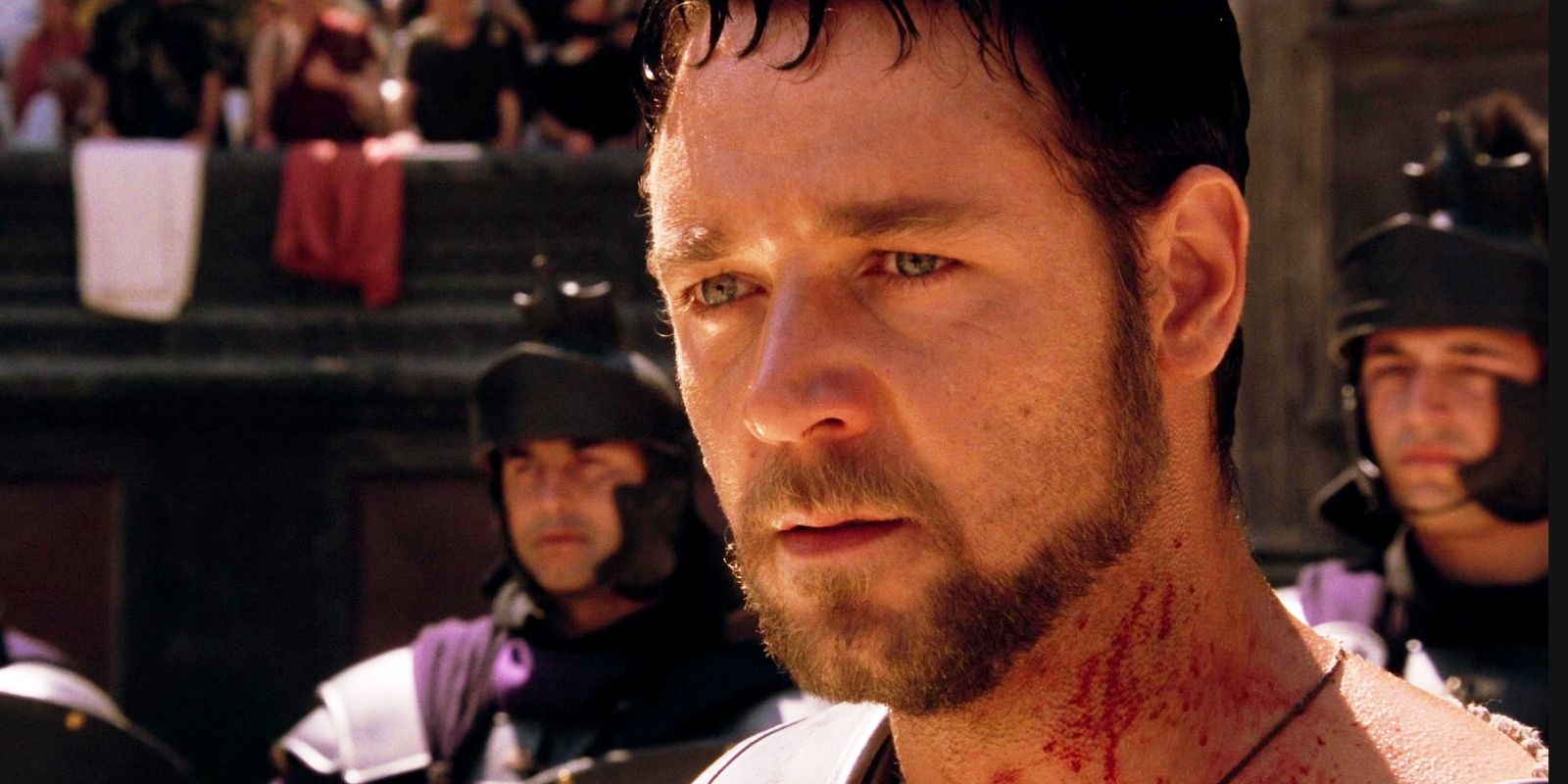
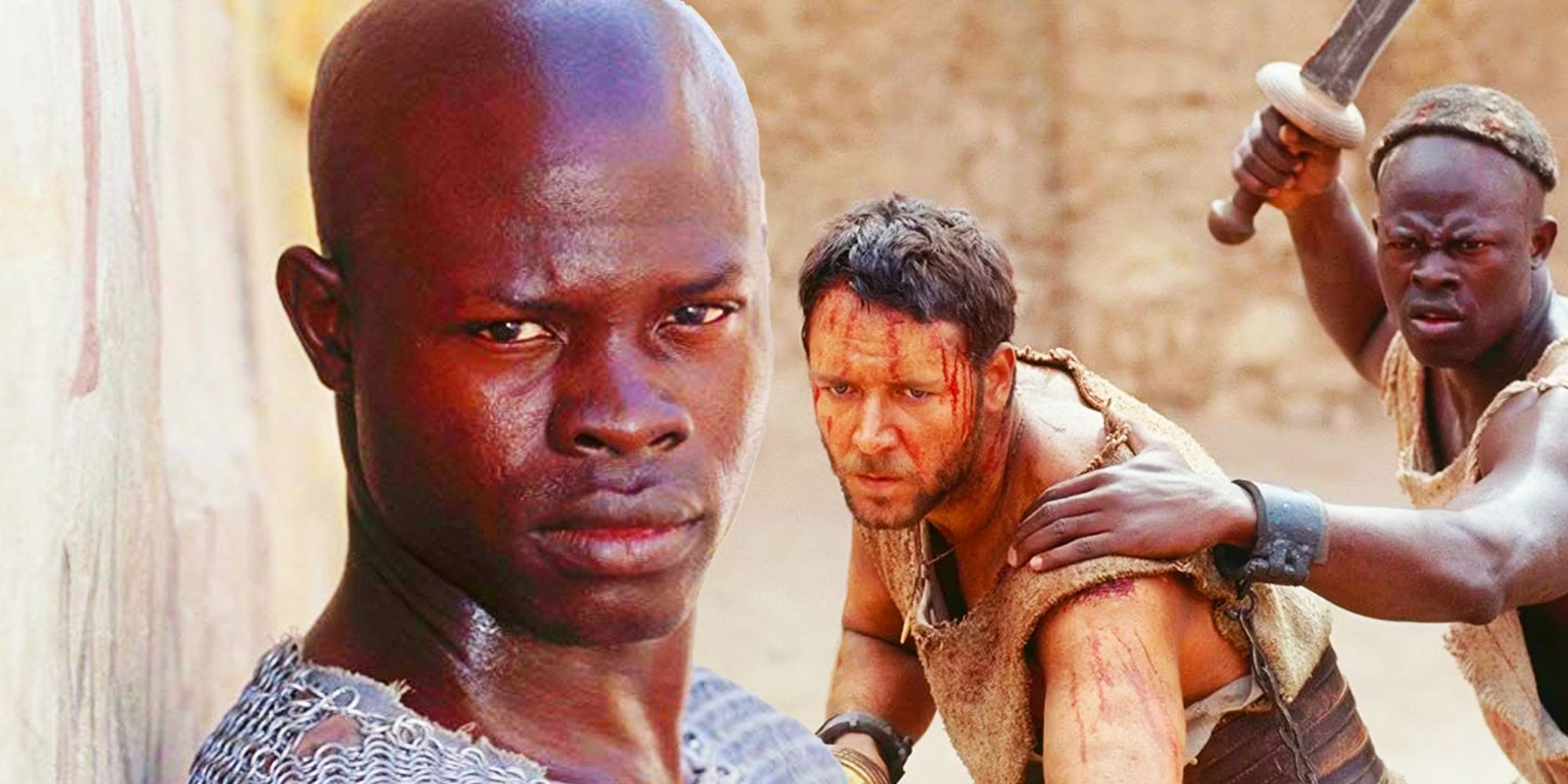
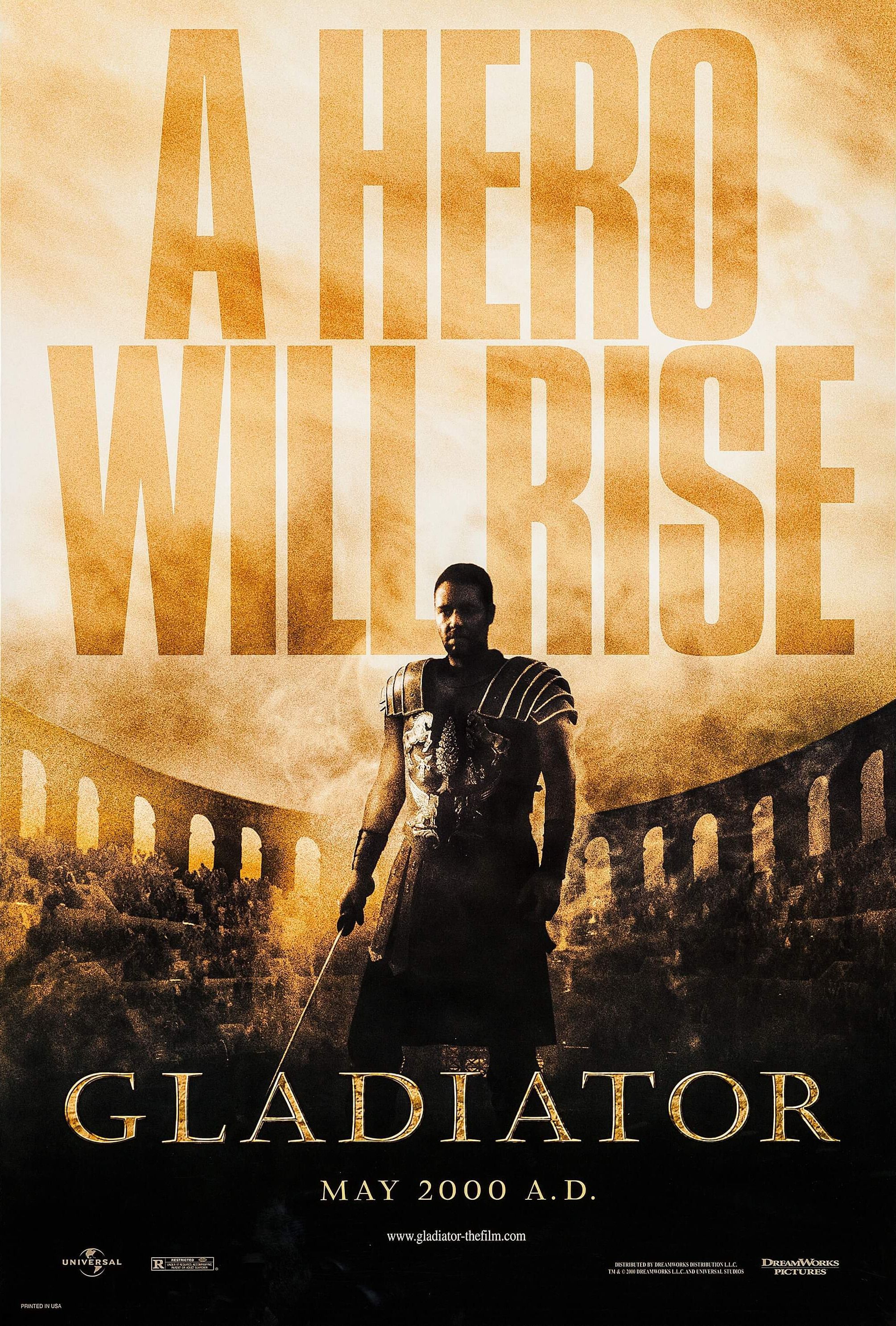
Gladiatorstands out as one of the best modern example of the historic epic in flick , but the Ridley Scott - directed epic actually refashion a mickle of the same material that was featured in a far earlier historical film . Gladiatorstars Russell Croweas the romish soldier turned gladiator Maximus , who seeks retaliation for the execution of his married woman and Word . Also starring Joaquin Phoenix , Connie Nielsen , Oliver Reed , Derek Jacobi , Djimon Hounsou , and Richard Harris , Gladiatorwas an instant smash when it was released in 2000 .
Although it was far from the first motion picture focus on the Roman Empire , Gladiatorremains one of the most iconic . In fact , it has all overshadowed many other earlier flick that had delved into similar topic and explored the same historical figure . One film in particular stand out for its many shared qualities withGladiator , including a divvy up villain and a standardised last struggle . However , Gladiator ’s dramatization of literal historyevents highlight an authoritative lineament in compelling moving picture that the absence of proved to be a vital drainage on the earlier cinema .
prizefighter 2 will be following the develop Lucius ( Paul Mescal ) , and a late preview might confirm the sequel is raise an old Ridley Scott estimation .
Gladiator Heavily Borrows From The Fall Of The Roman Empire
Both Films Dramatize The Same Period Of Roman History
Gladiatorshares more than a few elements with 1964’sThe Fall of the Roman Empire , with Ridley Scott ’s historical epos exploring many of the same characters , focusing on the same era , and swear on cinematic spectacle . The two effectively cover up the same trenchant full stop of the Roman Empire , when the decadence and corruption of the ruling class began to faze the populace . BothThe Fall of the Roman EmpireandGladiatordeal heavily with the fallout of Marcus Aurelius ' death . Both movie unresolved with Marcus and his forces agitate Germanic tribes , and spotlight Marcus ' doubt about his Logos Commodus .
alternatively , he seeks a more humble hero to take the crapper in his lieu . In both picture , this figure has a amatory history with the Emperor ’s girl Lucilla . Despite his intention , Aurelius is murdered and exchange by his boy , whose cruelty negatively impacts the kingdom . This prompts an uprising against Commodus ' rule , which is at last snuffed out in both . However , Commodus ' certitude is his downfall in both plastic film . He agrees to a public affaire d’honneur with his great rival , and is off in combat . This arrange the degree for reform and variety in Rome , albeit limn in different lights .
How Gladiator Is Different From The Fall Of The Roman Empire
The Focus OfGladiatorIs Far More Character-Centric
The most glaring remainder betweenGladiatorandThe Fall of the Roman Empireis the titular gladiator , Maximus . Even thoughMaximus was n’t a real person , the character is the force force of the film , leading the guardianship against the Germanic federation of tribes in the motion-picture show ’s opening . While both films turn over into the political science of Rome ’s rulers and focus intemperately on Commodus ' family relationship to his sister Lucilla , Maximus ' journeying is the primary plot of the film . The closest affair thatThe Fall of the Roman Empirehas to a character like Maximus is Lucilla ’s fan Livius .
While he has a more personal relationship with Commodus that play into the picture ’s overarch drama when Commodus take over , Livius is a far less compelling character than Maximus , withThe tumble of the Roman Empiremore dedicated to exploring the larger conflicts brew between Rome and the communities within the empire . Gladiatoralso takes more sentence to highlight the daily life and challenges of being a prizefighter during the height of the Roman Empire , with Maximus and other characters like Antonius Proximo , Juba , and Hagen giving advanced audiences a mouthful of the Gladiator lifestyle .
Original Gladiator composer Hans Zimmer explains why he decide not to give to compose the scotch for Ridley Scott ’s upcoming Gladiator 2 .
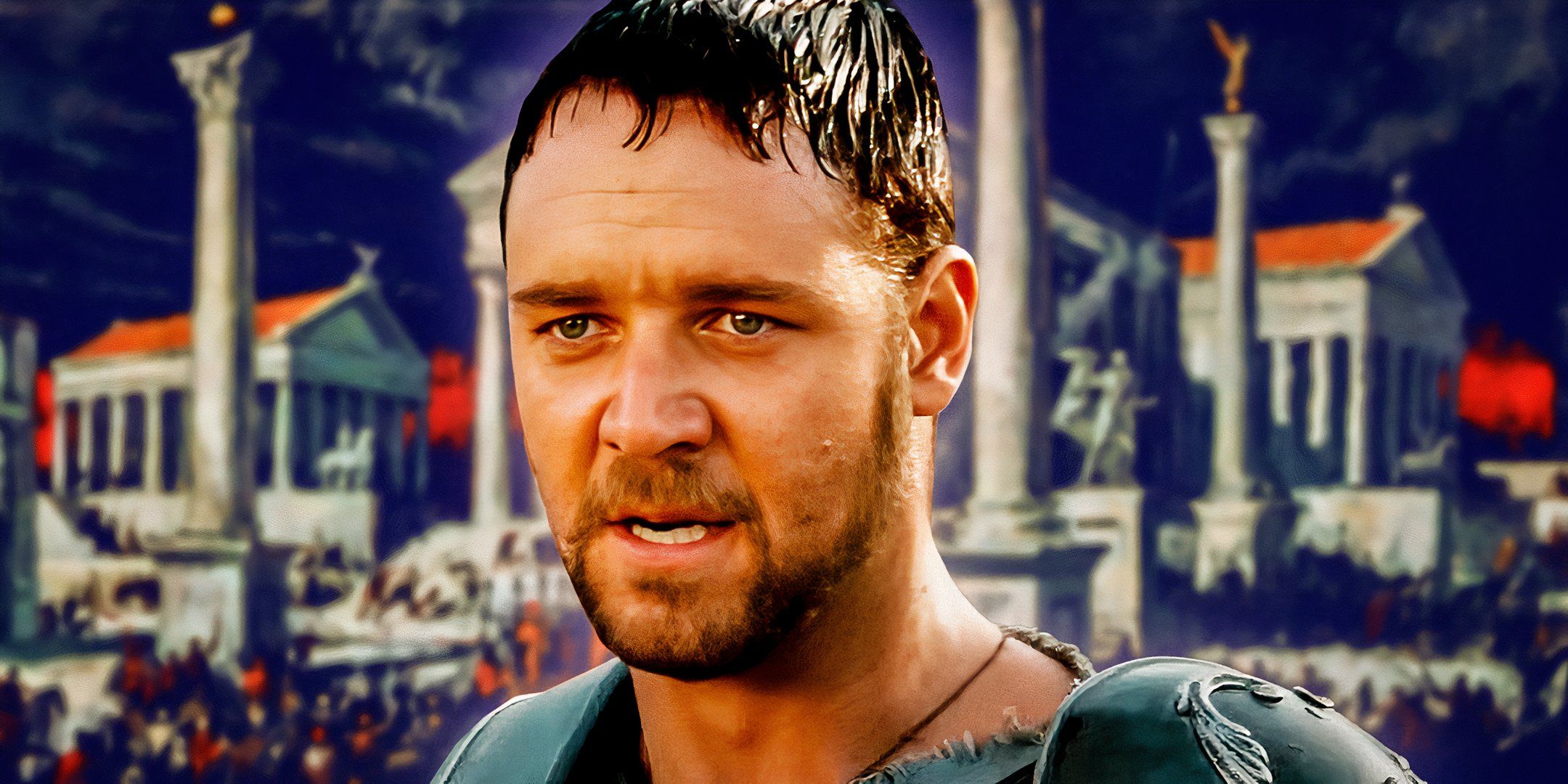
Custom Image by Yeider Chacon
Why The Fall Of The Roman Empire Failed Where Gladiator Succeeded
Gladiator’s Characters Ground The Spectacle In The Best Way Possible
Despite a massive budget for its era , The crepuscle of the Roman Empireonly made back a quarter of that at the box office . WhileGladiatorquickly became a boxwood - berth and decisive succeeder that win five Academy Awards , The declension of the Roman Empirefailed to connect with critic or audiences decades prior . Contemporary brushup for the 1964 picture suggested that a major problem with the movie was a lack of compelling characterization for the film ’s protagonist and antagonist . The consequence was a motion-picture show that relied solely on spectacle , which could n’t sustain momentum to rationalise its lengthy rill - time .
By contrast , Gladiatorbenefits greatly from its compelling central characters . Maximus is a great loth hero , whose aristocracy is constantly challenged byJoaquin Phoenix ’s memorably vile carrying into action as Commodus . That human component keeps the flick prompt outside of the spectacle and adds suspense to every combat Maximus finds himself stuck in . WhileGladiatorandThe Fall of the papistical Empirecover much of the same story , the former has a far more successful clip working as a standalone pic than the latter .
Your Rating
Your comment has not been save
Cast
Gladiator follows Maximus , a Roman general betrayed by the newfangled emperor Commodus . After escaping execution , he is enslave and becomes a gladiator . ready in ancient Rome , the story portrays his struggle for survival and quest for vengeance as he battles for his exemption in the arena .
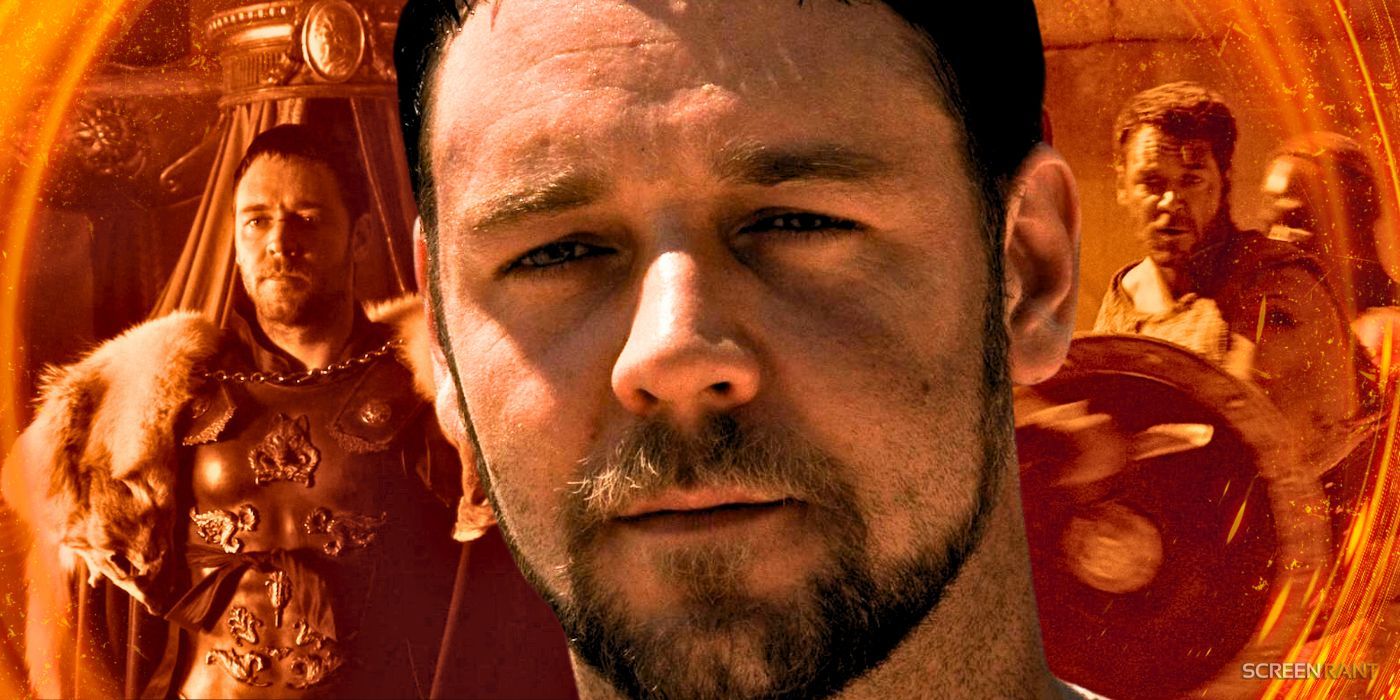
Gladiator follows Maximus, a Roman general betrayed by the new emperor Commodus. After escaping execution, he is enslaved and becomes a gladiator. Set in ancient Rome, the story portrays his struggle for survival and quest for vengeance as he battles for his freedom in the arena.