Related
Summary
The Far Sidebecame successful because of how strange an inscrutable its humor could often be , rather than in spite of it . As its Maker Gary Larson once explained , boththe strip ’s approach to clowning , and its popularity with readers , were a resultant role of his visceral creative process , though this often left him as perplexed by his own employment as audiences find themselves on a day - to - solar day basis .
In the bookThe Prehistory of The Far Side , the writer and creative person gave a comprehensive overview of his originative process , in an effort to definitively answer his least preferent question : " Where do you get your theme ? " While most Almighty dislike this question , it was really unpleasant for Larson – largely because he professed not to bang .
Gary Larson clear up that there was no square source of his inspiration , but rather that his cartoons were a resolution of an uninhibited period of his estimation onto the page , whichLarson called his " greatest enduringness " as an creative person .
The Prehistory of The Far Sidewas released in 1990 , in solemnisation of the cartoon ’s 10th year in publication – and just five years before Gary Larson would retire , end the cartoon strip at the peak of its popularity . The Prehistoryis an priceless sixth sense into one of the most idiosyncratic creative mind of the twentieth century , making it a must - read for anyFar Sidefan .
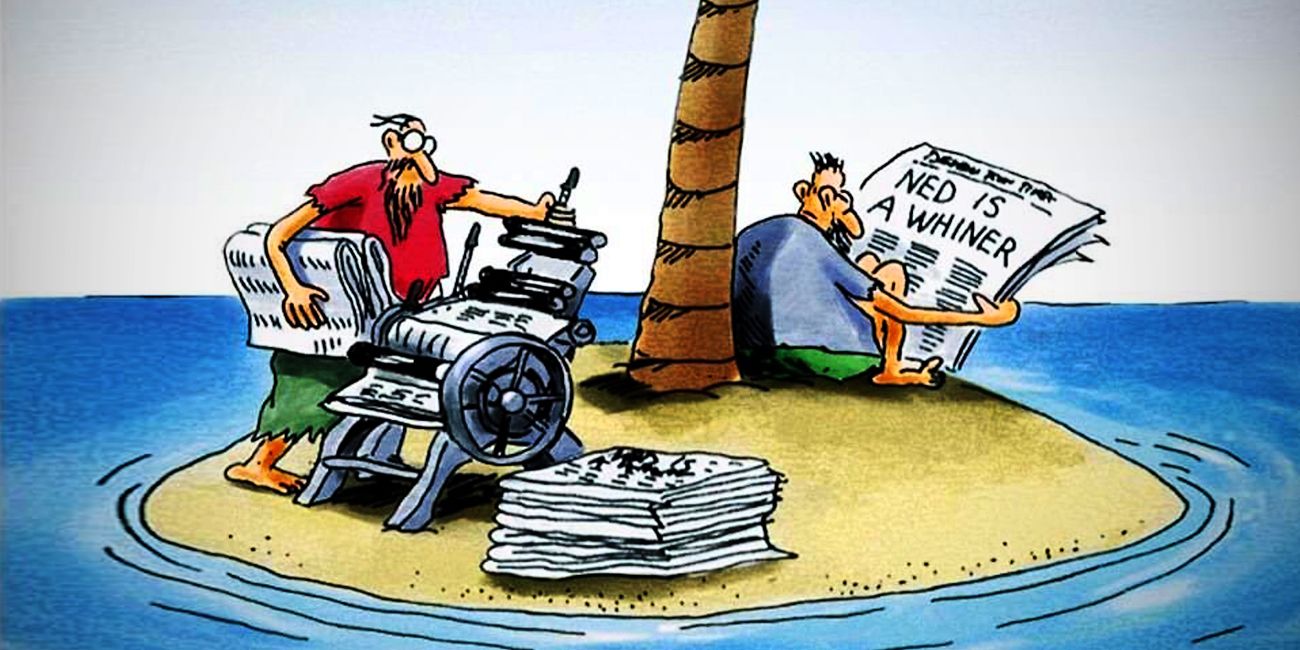
One of the most memorable recurring elements in Gary Larson ’s Far Side was the desert island , which proved to be among his favorite snatch .
Gary Larson Confronts Every Writer’s Least Favorite Question
On The Origins Of Far Side Jokes
The important thing to Gary Larson was not identifying the origins of his ideas , but rather what he did with those ideas once he had them .
Gary Larson never hesitate to accept his antipathy for the question , " where do your thought come in from ? " During consultation throughout his calling , he repulse this doubt , or at least , did n’t answer it in the simple , quantifiable way some might have hoped for . InThe Prehistory of The Far Side , the artist gave a more honest account of why the enquiry troubles him . Applying thefamiliar skew view of his striptease , Larson revealed that he " always found this question interesting , " given that it " seems to embody some belief that there exists some secret , tangible stead of origin for cartoon idea . "
consequently , this question machinate an amusing figure of speech in Larson ’s mind , reminiscent of aFar Sidepanel :
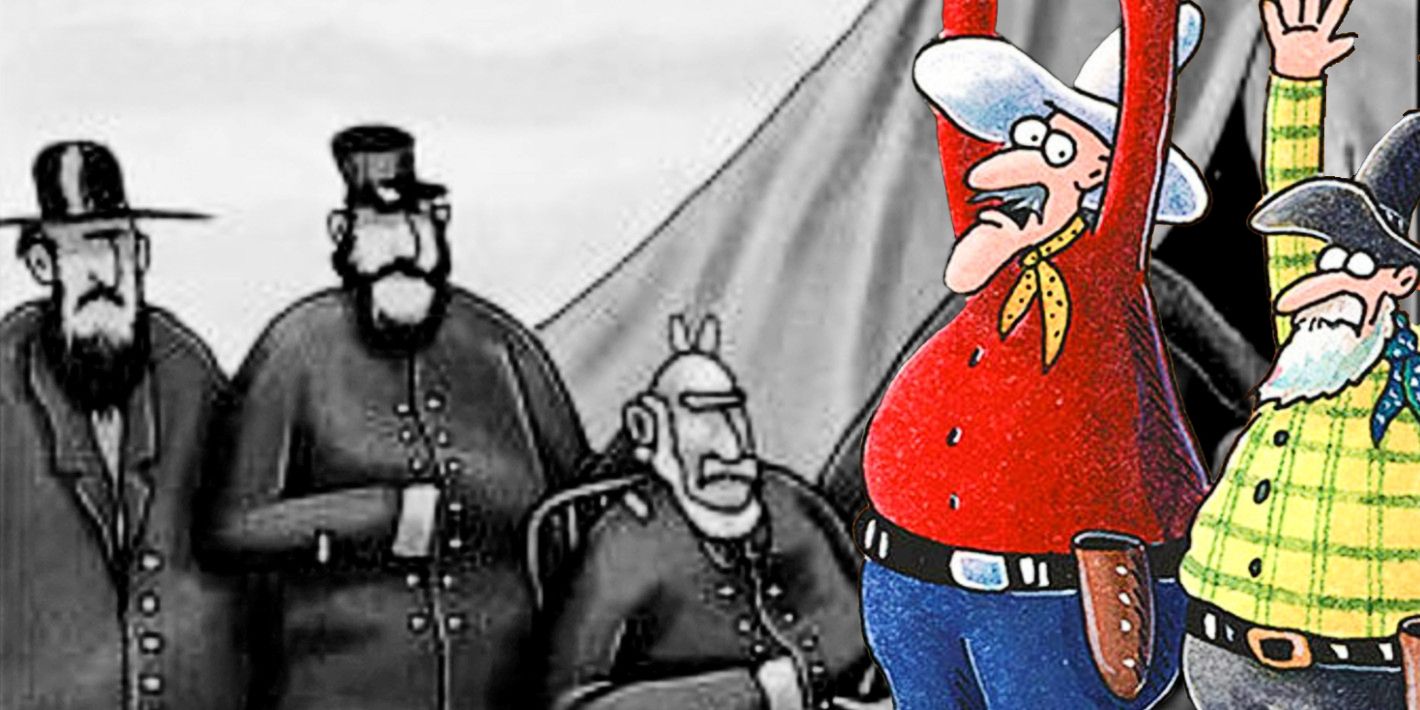
I see myself rummaging around my grandparents ' attic and coming across some sure-enough , moldy tree trunk . Inside , I find this equally quondam and elegant - looking book . I take it in my hands , blow away the detritus , and embossed on the cover in bombastic , gold book is the title , Five Thousand and One Weird Cartoon Ideas .
Of course , no creative endeavor is this simpleton . approximation and inspiration can never be traced back to a single source , or a lone method of generation . Instead , asGary Larson ’s creative processexhibits , successful art is produced through the mix of seize mind when they come , and working on them until they are just correct . This is why answering " where do you get your ideas " is no prosperous task for creators in cosmopolitan , and forThe Far Side’screator in particular .
Larson Admitted “One Key Ingredient” To The Far Side’s Creation
Good Old Caffeine
Gary Larson ’s creativity was centered on the attempt to understand his own mind – though the final intersection was not always a outcome of successfully doing so .
" I will admit , however , " Larson wrote , explaining thegenesis of approximation forFar Sidecomics , " that one key ingredient is caffein . I get a couple loving cup of coffee into me and things just depart to happen . " Beyond that , Gary Larson ’s writing process for the comedian was as much an risky venture to him asreadingThe Far Sidewas for audience . His study was rooted in getting ideas out onto the page with as little vacillation – for the most part , for fear they would drop off their potence in clip – and then playing around with them until achieving a square termination .
In a sense , Gary Larson ’s creativeness was revolve around on the effort to understand his own ideas – though the final mathematical product was not alwaysa result of successfully doing so . Larson admitted as much inThe Prehistory of The Far Side :
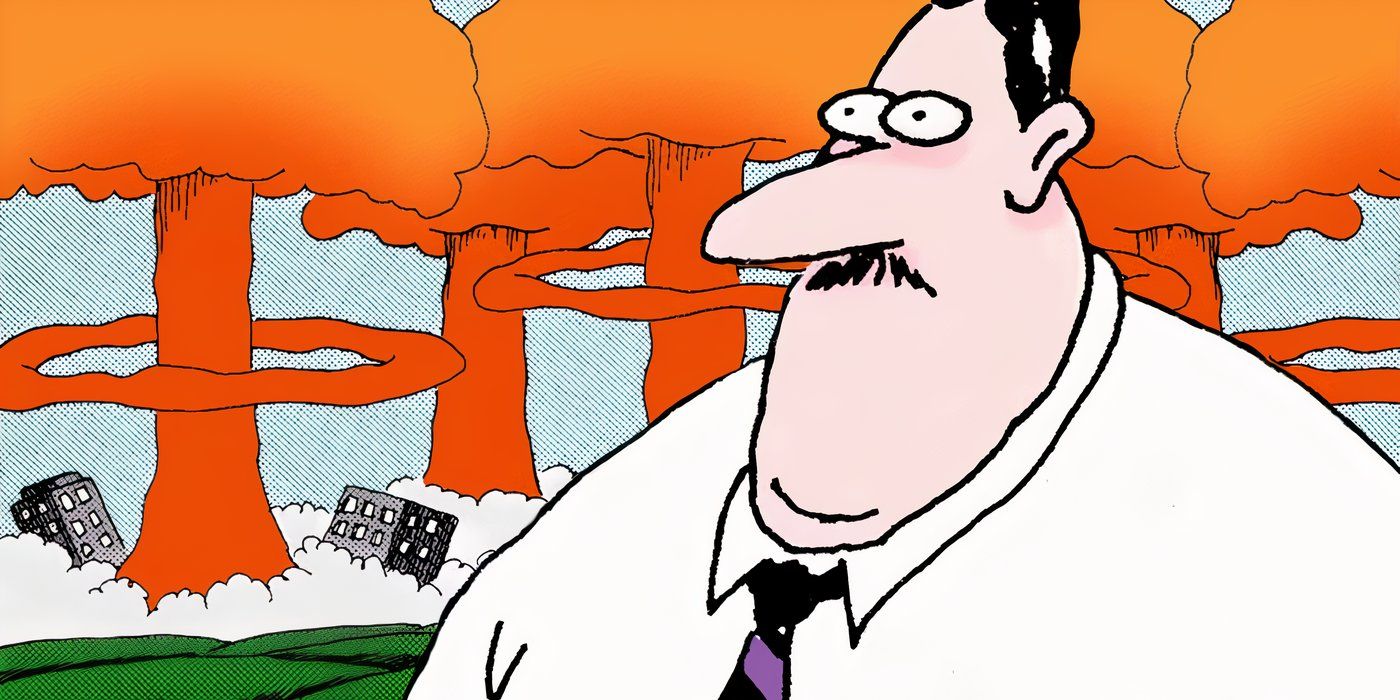
Some of my cartoons ( some would argue most ) , I realize , are not always understandable . I mean , I know what I was give out for – I just have to face the fact that I do n’t always quite get there . " Off - 24-hour interval " are a part of lifespan , I guess , whether you ’re a cartoonist , a brain surgeon , or an melodic line traffic controller .
As amusingly as Larson couch this mind of his " off - days , " it is also a enchanting insight for anyone who has spent too long assay to understand a particularly strangeFar Sidestrip . Were its creator to revisit the same cartoon , he might very well have the same perplexed response .
The Far Side’s Art Was Intuitive, But Not Instant
Gary Larson’s Jokes Took Finesse
[ Gary ] Larson was a tool of inhalation – but that was only the underlying flow that motivated hard , correct work .
InThe Prehistory of The Far Side , Gary Larson enlightens reader to the importance of his sketch block to the creation of his cartoons . While his creative operation center on on get idea down on the page as soon as they came to him , these ideas did n’t always immediately becomeFar Sidecomics . Instead , there tended to be a period of pregnancy for Larson ’s joke ; working on them get hold of care , and forbearance , and did n’t always inevitably ensue in a executable concluding merchandise that was fit for issue .
Larson further articulated this inThe prehistoric culture :
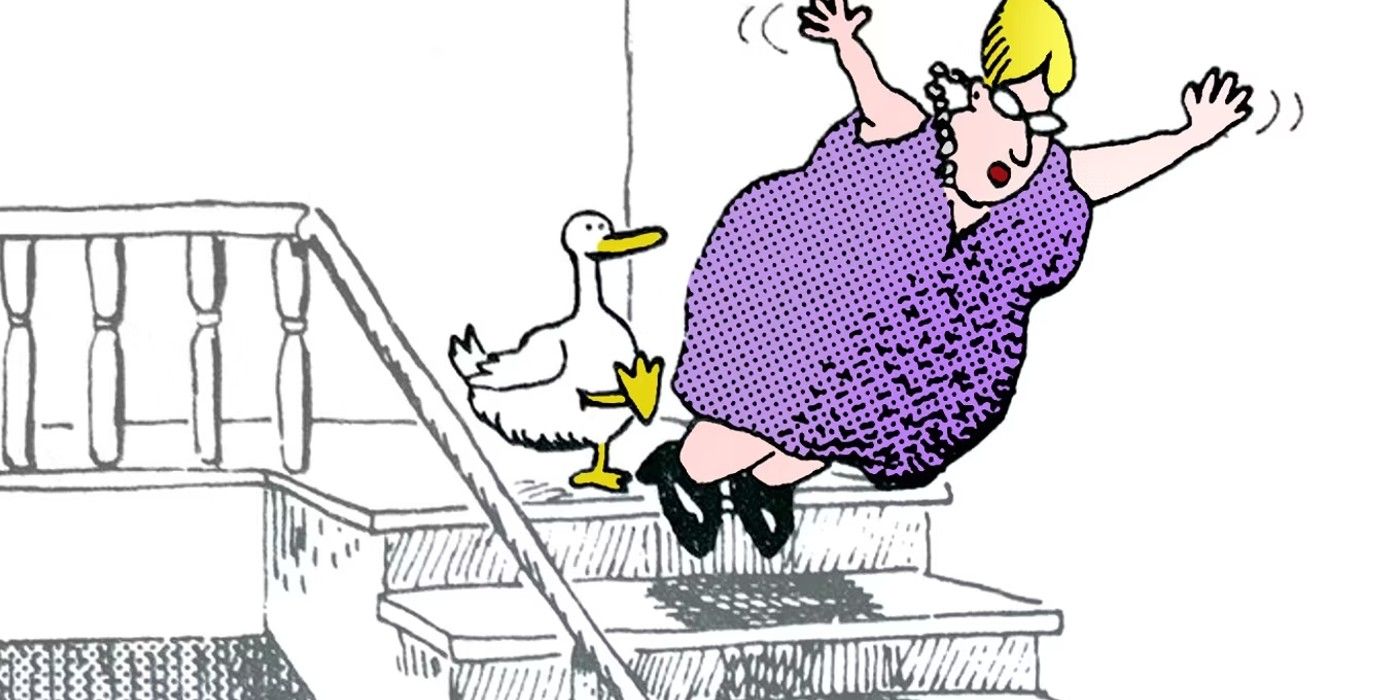
The idea for any cartoon ( my experience , anyway ) is seldom spontaneous . Good idea ordinarily evolve out of pretty halt ones , and vica versa . ( I ’ve ruin a few good cartoons by working them to last . )
That is to say , Gary Larson was no one - and - done , first - draft Maker . Once an idea base its way to the page , it went through successive revision , and was deeply scrutinized , until its creator felt a sense of atonement with it . However , like any artist , Larson admitted that he could lose sight of what was best for his own body of work – making the existence of anyFar Sidecartoon consanguine to a stiff - rope act , where one wrong footmark extend to a fall .
In all , what is most exciting about Gary Larson ’s account of howFar Sidecomics were composed is how constitutional the unconscious process was . Like some of his greatest contemporary , such asGarfield’sJim Davis , Larson was a creature of inspiration – but that was only the underlying flow that motivated intemperately , disciplined work , which take him to the copious dailyFar Sidestrips he produced over fifteen years , work of art that still have an imperishable collection to reader closely thirty years after the flight strip ceased publication .

Fans of the far side can’t pass up this master collection of Gary Larson’s finest work. Originally published in hardcover in 2003, this paperback set comes complete with a newly designed slipcase that will look great on any shelf. The Complete Far Side contains every Far Side cartoon ever published, which amounts to over 4,000, plus more than 1,100 that have never before appeared in a book and even some made after Larson retired.
origin : The Prehistory Of The Far Side
fan of the far side ca n’t put across up this captain collection of Gary Larson ’s fine work . Originally print in hardback in 2003 , this paperback curing comes complete with a new project slipcase that will look great on any ledge . The Complete Far Side contains every Far Side cartoon ever issue , which amounts to over 4,000 , plus more than 1,100 that have never before appeared in a script and even some made after Larson retired .

