Related
Summary
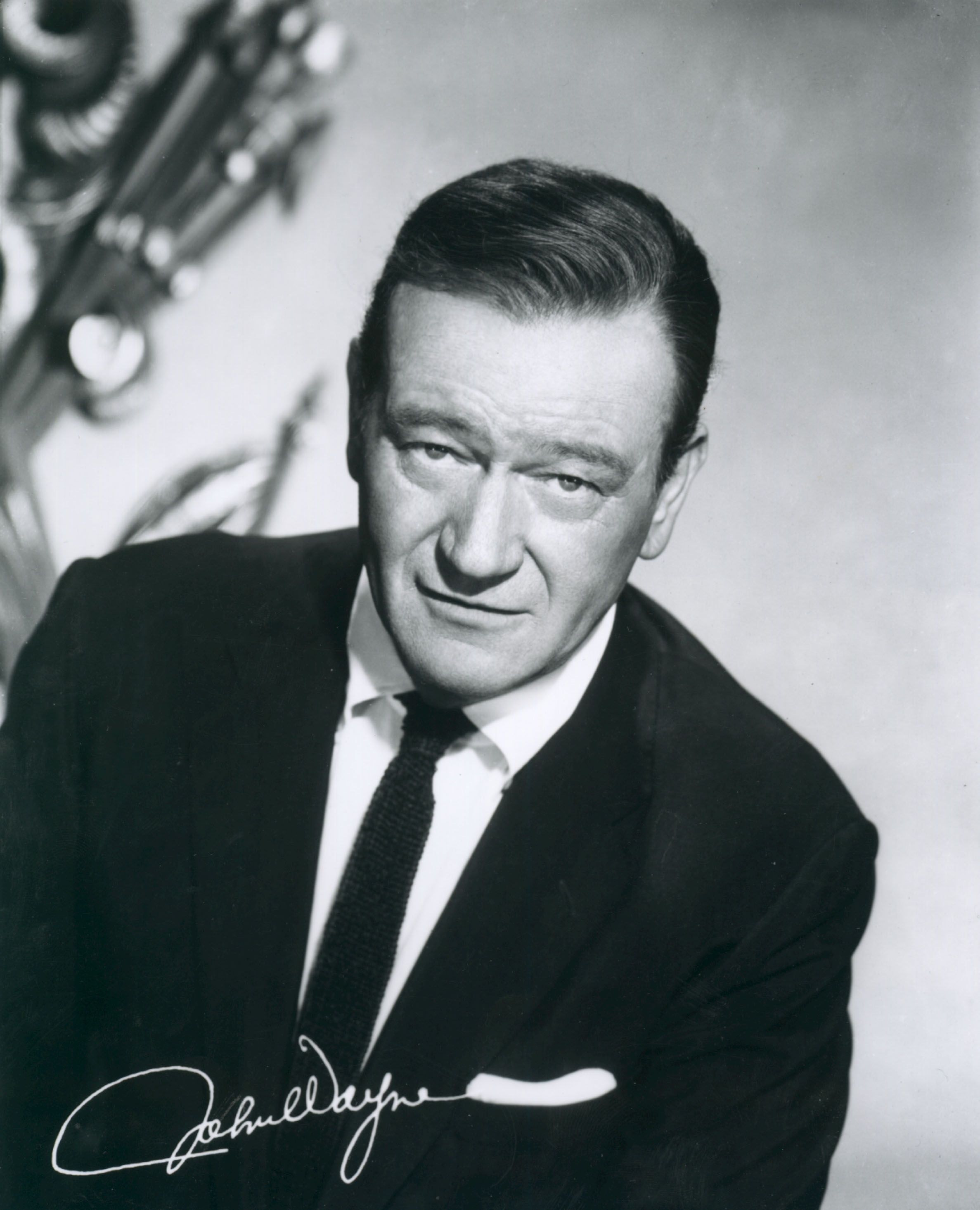
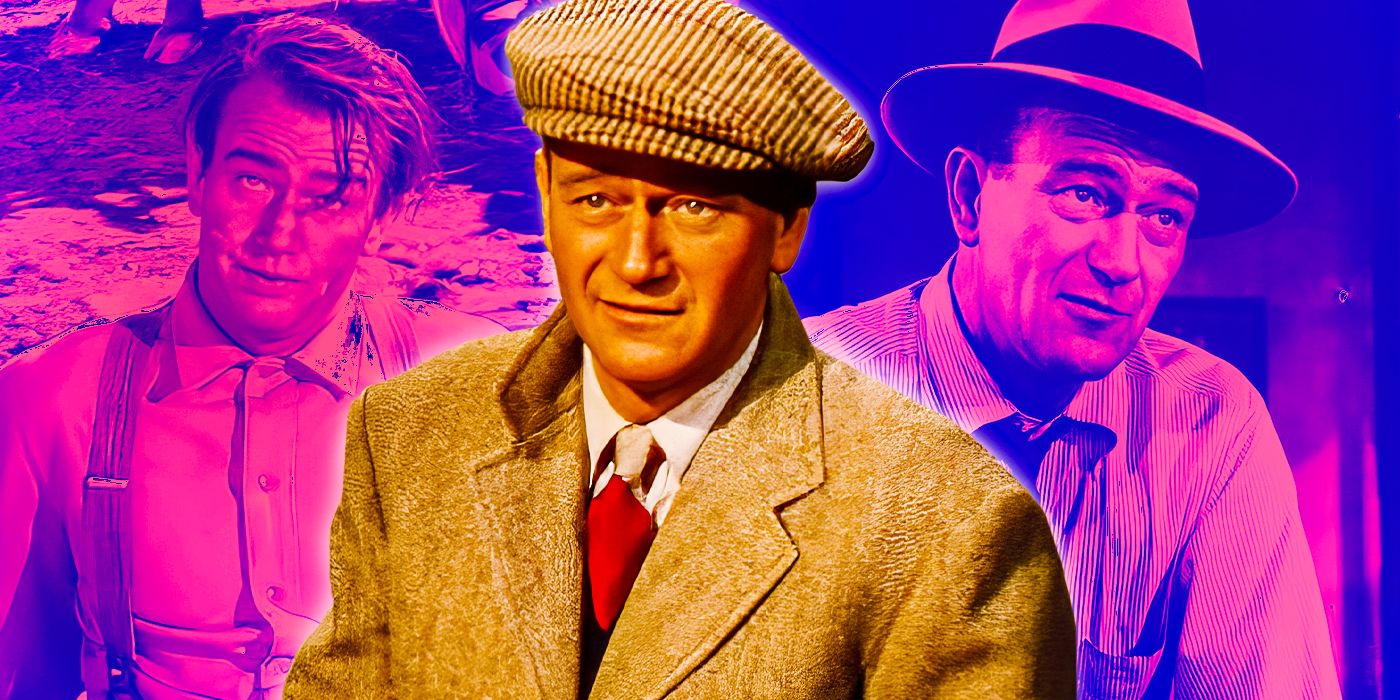
John Waynehas deliver unusually impactful second on screen within the westerly writing style , and these scenes digest out as some of the most memorable in his vocation . Throughout his illustrious filmography , Wayne ’s performances have captivated audiences , showcasing his charisma , commanding concealment front , and power to be the quintessential westerly hero . From his iconic portraying of Ethan Edwards inThe Searchersto his Academy Award - winning persona as Rooster Cogburn inTrue Grit , Wayne ’s contributions to the genre have made a major impact in Western films .
John Wayne ’s collaborations with John Ford in Western moviessuch asStagecoachandThe Man Who Shot Liberty Valance , among others , have become classic , thanks in no modest part to Wayne ’s memorable performances and the unforgettable scene that have become synonymous with his name . These moments showcase the profundity and range of Wayne ’s acting abilities . In exploring some of the greatest scenes from John Wayne ’s Western films , it becomes evident that his legacy carry far beyond his iconic status , cementing his place as one of the most influential and beloved doer in the chronicle of the Western genre .
10Hondo Teaches Johnny How To Swim
Hondo (1953)
The swimming moral scene inHondois the arrant ocular model of John Wayne ’s iconic screen front and his power to deliver a memorable performance through understated actions and dialog . Wayne ’s portrayal of Hondo , a mankind of few Book but unattackable convictions , shines in this sceneas he get an unconventional glide path to teaching young Johnny ( Lee Aaker ) how to swim . The setting represent Wayne ’s trademark no - falderol position and his character ’s belief in the value of self - reliance , make it a standout moment in the film .
The scene ’s impact offer beyond its entertainment value , as it encapsulates the essence of the Western genre and the prototypal hero that Wayne often portray . Hondo ’s sturdy - love glide path to mentoring Johnny reflects the rugged individualism and the grandness of overcoming adversitythat are central motif in many of Wayne ’s Western films . The memorable exchange between Hondo and Angie ( Geraldine Page ) inject a touch of humor into the scene , further highlighting Wayne ’s ability to turn in iconic line with his distinctive swagger .
John Wayne is widely have sex for his iconic roles in classical western sandwich and state of war film , but his acting natural endowment actually strain to all literary genre in Hollywood .
9Chisum Stands Up For White Buffalo
Chisum (1970)
In a poignant scene from the 1970 filmChisum , John Wayne ’s case demonstrate his unattackable sense of Justice Department and respect for others , regardless of their retiring dispute . When an Army First Sergeant ( John Pickard ) physically face Chief White Buffalo ( Abraham Sofaer ) , a former challenger of Chisum ’s , the seasoned cattle rancher steps in to guard the Native American loss leader . This moment showcases Chisum ’s moral compassand his ability to put aside old grievance in the face of unjustness , punctuate the character ’s increment and the common regard that has develop between the two former opponent .
Chisum ’s stern warning to the sergeant , underscores the flick ’s central idea of stand up for what is right . The powerful exchange , though legal brief , represent Wayne ’s portrayal of a principled herowho fight back not only for his own interests , but also for the dignity and well - being of others . This scenery serves as a microcosm of the big story , highlight the complexities of the family relationship between the characters and the evolving nature of the American West .
8The Final Shootout
El Dorado (1966)
In the gripping concluding shootout ofEl Dorado , John Wayne ’s character , Cole Thornton , confront off against the villainous Jason ( Ed Asner ) and Nelse McLeod ( Christopher George ) in a tense confrontation outside the local saloon . Despite the debilitating bullet wound that has left his right-hand deal partially paralyse , Thornton testify his position as a true Western hero . Leaping from his wagon , he unveils a hide shotgun and swiftly takes down McLeod .
As the gunfight escalates , Wayne ’s characterization of Thornton ’s emotional state and exceptional skill as a gunfighter shines through . Even when a bullet train graze his wooden leg , Thornton remains unbendable , efficiently murder the remain adversaries with remarkable precision . This climactic sequence not onlyserves as a hearty ending toEl Dorado ’s key battle , but also spotlight the die hard appeal of Wayne ’s iconic screen comportment and his power to personify the quintessential Western hero . Out of all ofthe Western movies John Wayne has appeared in , this memorable moment is a highlight of his quislingism with theater director Howard Hawks .
Cast
7The Poker Game
Tall in the Saddle (1944)
The poker game vista inTall in the Saddlestands out as one of the most iconic moments in John Wayne ’s career due to its masterful portrayal of tautness , character reference , and the center of the westerly writing style . Wayne ’s portrayal of Rocklin as a quick - witted cowboy get up this tantrum , stealing the scene with his commanding screen comportment and understated charisma . The scene ’s power lies in its ability to build up suspense through the high - stake confrontation between Rocklin and Clint Harolday ( Russell Wade ) , which is what really reach the setting memorable .
What distinguishes the fire hook view as one of the best is Wayne ’s skill in bring Rocklin ’s muted strengthand unshakable conclusion through minimal dialog and knock-down body voice communication . By embodying a character who fearlessly confront injustice , the operation in this vista transcends the film itself , becominga set moment in John Wayne ’s career . The poker game scene not only showcases Wayne ’s acting talents , but also displays what make the westerly genre so special .
6Tom Burns Down His Ranch
The Man Who Shot Liberty Valance (1962)
The panorama in which John Wayne ’s character Tom burn down his own cattle farm inThe human beings Who fool away Liberty Valanceis a powerful and emotionally burden moment that showcases Wayne ’s range as an actor . This prospect stands out as one of the well in Wayne ’s filmography due to its unsanded portrait of heartbreakand Tom ’s self - destructive response to lose the woman he have sex . The moment is made all the more touching by the revelation that Tom , not Ransom ( James Stewart ) , was the one who defeat Liberty Valance ( Lee Marvin ) , an human activity driven by his thick affection for Hallie ( Vera Miles ) .
Wayne ’s functioning in this scene is a departure from his typical character , certify his power to express complex emotions and vulnerabilities . As Tom set fervor to the cattle farm he had been building for Hallie , the depth of his pain and the extent to which he is willing to give his own dreams is palpable . The scene ’s encroachment is heightened by the noesis that Tom ’s actions were in the end driven by his selfless love for Hallie , adding a layer of calamity to an already nitty-gritty - wrenching moment .
5The Opening Scene
Rio Bravo (1959)
The opening night scene ofRio Bravois a masterclass in efficient storytelling , setting the level for the film ’s central struggle and introducing its key characters without relying on overweening exposition . In just a few second , director Howard Hawks and John Wayne manage to captivate the consultation , drawing them into the man of Sheriff John T. Chance and the challenges he faces in maintaining order in his town . The scene ’s glare lies in its ability to convey essential information through action and subtle fundamental interaction between the grapheme , rather than relying on drawn-out talks .
Wayne ’s presence in this view is commanding , showcasing his power to portray a impregnable , determined peace officer who refuses to back down in the face of hardship . The opposition between Chance and the bibulous Dude ( Dean Martin ) not only build their complex kinship but also highlights the sheriff ’s consignment to justice , even when it means front off against a former friend . This opening sequence is a testament to the skill of both Hawks and Wayne , setting the stage for a classic Western that continues to bewitch audiences decade after its liberation .
4Wil Fights Asa
The Cowboys (1972)
The emotionally send scenery in which Wil Andersen ( John Wayne ) confronts and fights Asa Watts ( Bruce Dern ) inThe Cowboysis an fabulously pivotal second . The present moment not only showcases Wayne ’s tolerate CRT screen presence , but also serves as a metaphor for the convert landscape of Hollywood Westerns . The scene ’s intensity and shocking conclusion make it one of the most memorableand impactful in Wayne ’s filmography .
The confrontation between Wil and Asa is a conflict of both animalism and emblematic implication . The brutal fight that ensues is a departure from the more romanticized depictions of wildness in earlier Westerns , reflecting the grainy , more realistic approach that characterise the genre in the seventies . When Asa ruthlessly gun down Wil , it is a shocking and catgut - wrenching moment that underscores the change multiplication and the emergence of a new coevals of Hollywood star . This conniption not only stands out as one of Wayne ’s finest , but alsoserves as a poignant reflexion on the organic evolution of the Western genreand the passing of an era .
3Ethan Saves Debbie
The Searchers (1956)
The emotional culmination ofThe Searchers , in which Ethan Edwards ( John Wayne ) finally rescues his niece Debbie ( Natalie Wood ) after a five - year quest , is one of the most hefty and memorable scene in John Wayne ’s life history . This moment speaks to Wayne ’s singular power to convey complex emotionsand character development through his carrying out . This scene put up out as one of the greatest in Wayne ’s filmography due to its bare-assed excited tycoon , the culmination of his character ’s transformative arc , and the cobwebby impact of Wayne ’s execution .
In the film ’s vivid finale , Ethan and his take nephew , Martin ( Jeffrey Hunter ) , lead an attack on Scar ’s coterie . However , it is in the watch moment that Wayne truly shine , asEthan pursues Debbie on hogback , on the face of it engrossed on killing her . In a stunning showing of emotional chain of mountains , Wayne ’s quality ultimately embraces his niece , uttering the simple yet fundamental line , " Let ’s go home , Debbie . " It is a testament to his skill as an actor and his power to bring depth and nuance to even the most intriguing roles .
2The Meadow Shootout
True Grit (1969)
The climactic meadow shootout inTrue Gritis an unforgettable moment that perfectly encapsulates Wayne ’s portrayal of Rooster Cogburn , making itone of his most iconic and enduring roles , and ultimately earning him a well - deserve Academy Award for Best Actor . The scene ’s splendour lies in its power to capture the essence of Rooster ’s type ; a gruff , rugged - as - nails law officer with an unwavering sentiency of justice . As Rooster confronts Ned Pepper ( Robert Duvall ) and his gang alone , Wayne delivers a operation that is both control and nuanced .
The far-famed line , " Fill your hands , you son of a b***h ! " has become synonymous with Wayne ’s career , capsulise his power to deliver memorable , impactful talks with unparalleled bluster . The ensuing gunfight is a masterclass in action stage dancing and cinematography , with Wayne ’s Rooster level fearlessly towards his adversaries on horseback , a rifle and revolver in hand . This sequence not only serves as a thrilling flood tide to the film , but also lay out Wayne ’s enduring legacy .
1Ringo Entrance
Stagecoach (1939)
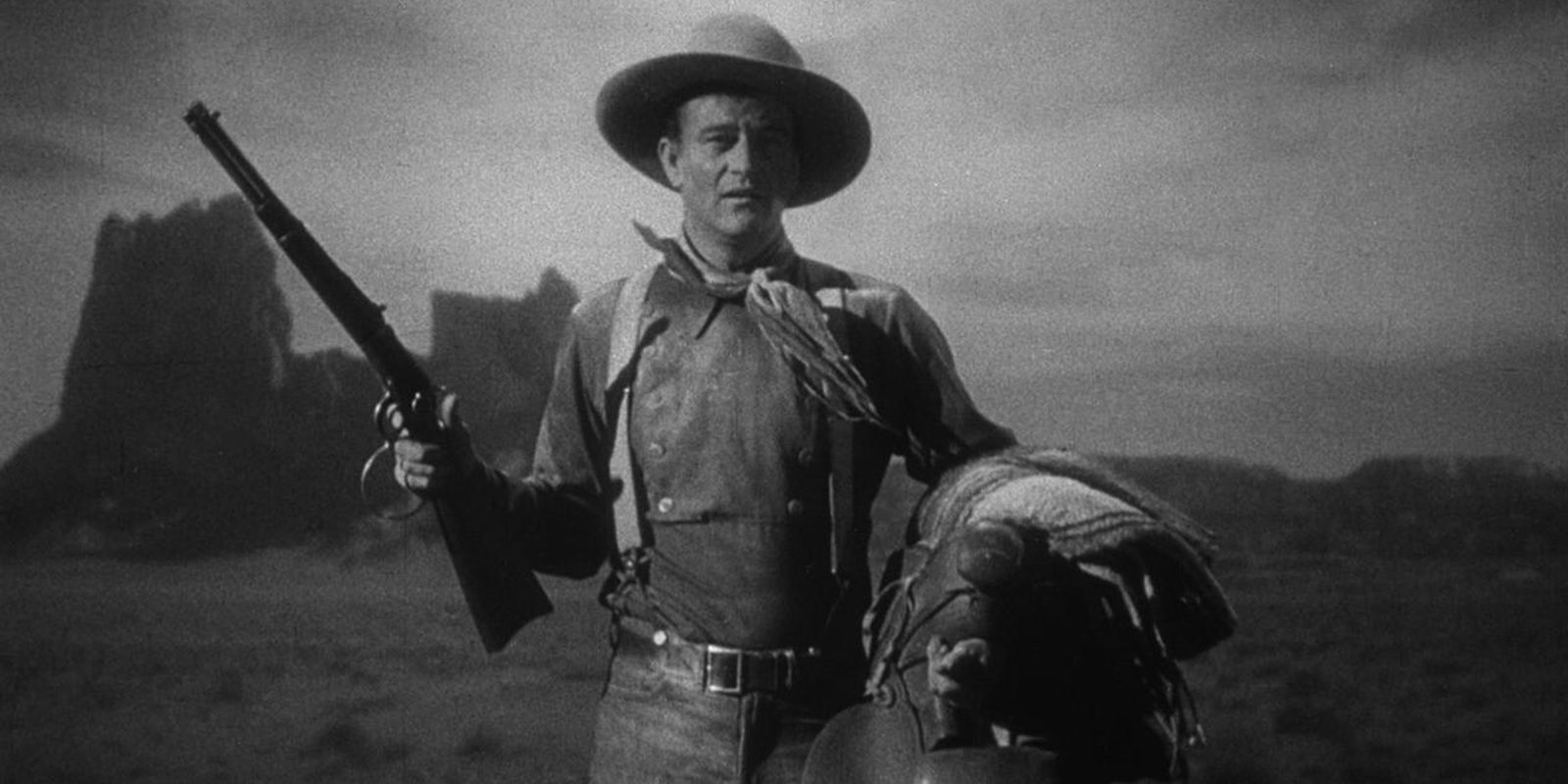
The Ringo Kid ’s entrance inStagecoachis a seminal moment in movie theater history , not only present John Wayne ’s case , but also setting the microscope stage for his meteoric rise to stardom . Director John Ford ’s masterful usage of cinematography in this fit , particularly the iconic finish - up of Wayne ’s face , instantly establishes the Ringo Kid as a force out to be consider with , capture the core of the classical westerly hero . This single slam not only serves as a herculean intromission to the Ringo Kid but also encapsulates the prototypal hero that Wayne would come to be throughout his vocation .
As the tv camera pushes in on Wayne , his magnetic screen presence takes over . The shot , framed against the breathless background of Monument Valley , elevates Ringo to mythical status , present him as a large - than - life build who is both formidable and relatable . The scene ’s impact on Wayne ’s trajectory can not be overstated , as it paved the way for his collaborations with famed directors and solidifiedJohn Wayne ’s lieu as a Hollywood icon .